


If you’ve been spending any time on Pinterest lately, you’ve definitely come across organic modern interior design, even if you didn’t know what to call it. It’s that warm, earthy, effortlessly stylish look that feels luxurious without being cold or overdone. Think curved sofas, natural wood, soft linen, and a color palette straight from nature.
Organic modern is hands down one of the biggest interior design trends of 2026, and honestly, it doesn’t look like it’s going anywhere anytime soon. In this guide, we’re breaking down exactly what organic modern interior design is, what makes it different from similar styles like Japandi, and how you can bring this beautiful aesthetic into your own home.
Let’s get into it! 🌿
What Is Organic Modern Interior Design?
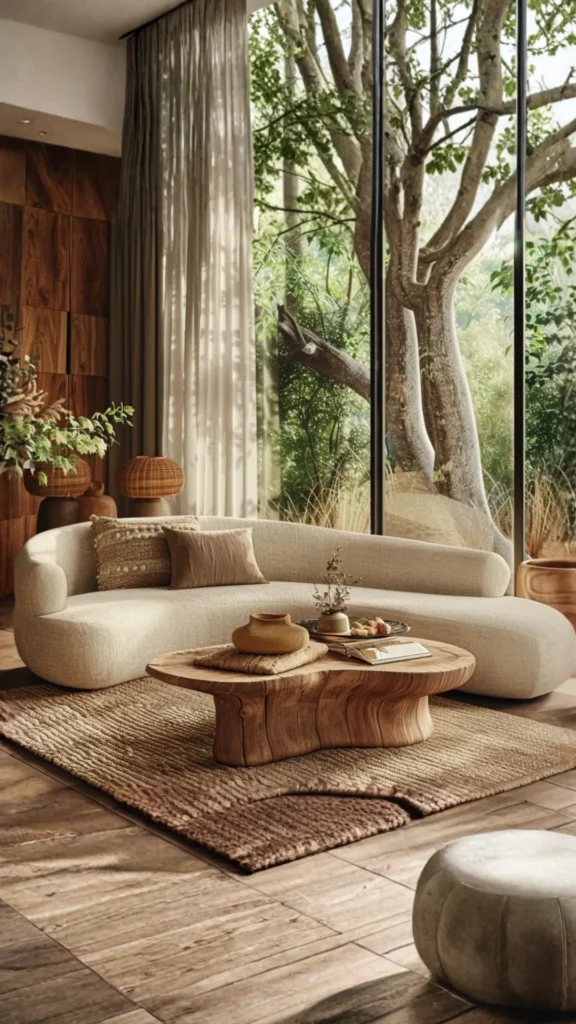
Organic modern interior design is a style that blends the clean lines and simplicity of modern design with the warmth, texture, and natural beauty of organic materials. The result is a space that feels both refined and deeply cozy, like a luxury home that also happens to feel completely livable.
The word “organic” here refers to natural forms and materials, think flowing curves, raw wood, stone surfaces, linen fabrics, and earthy color palettes. The word “modern” keeps it grounded, clean, uncluttered, and intentional.
Put them together and you get a style that feels fresh, warm, and endlessly Pinterest-worthy.
According to House Beautiful, organic modern has become one of the defining aesthetics of the mid-2020s, largely driven by a collective desire for homes that feel like a true retreat from the outside world.
1. Key Elements of Organic Modern Interior Design
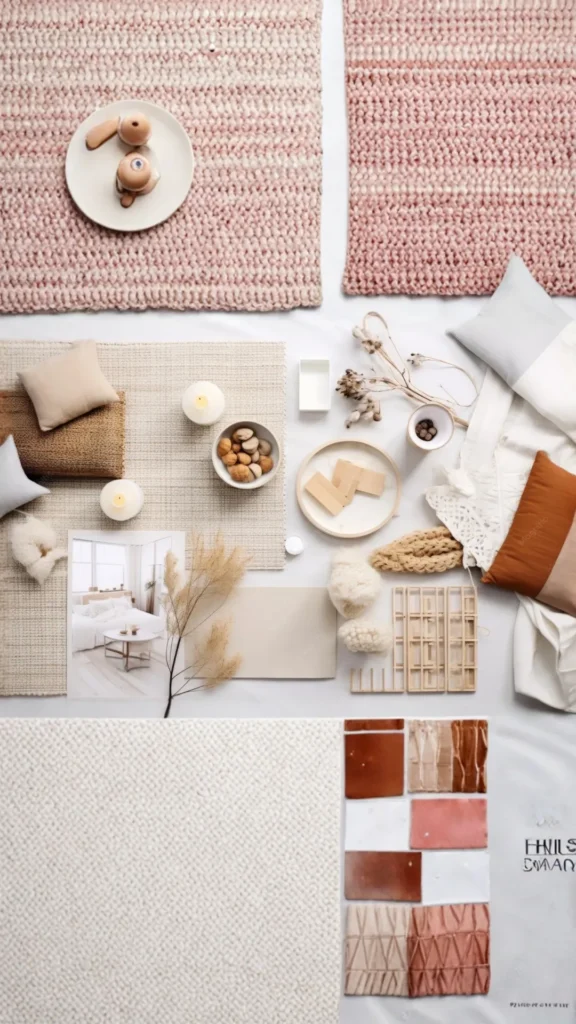
So what exactly makes a space feel organically modern? Here are the defining elements to look for:
2. Natural Materials
Organic modern interior design leans heavily on natural, tactile materials. We’re talking solid wood with visible grain, stone countertops and coffee tables, linen and cotton upholstery, rattan accents, and jute rugs. These materials bring warmth and texture that synthetic alternatives simply can’t replicate.
Curved and Sculptural Furniture
One of the most recognizable features of organic modern style is curved furniture. Rounded sofas, kidney-shaped coffee tables, arched shelving, and sculptural chairs replace sharp, boxy shapes. These organic forms feel softer and more welcoming, and they photograph beautifully, which is probably why they dominate Pinterest right now.
Earthy Neutral Colour Palette
Forget stark white. Organic modern interior design favors warm neutrals, cream, sand, taupe, warm white, terracotta, olive green, and rich chocolate brown. These tones feel connected to the natural world and create an instant sense of calm.
3. Biophilic Elements
Plants, moss walls, natural light, and views of greenery are all hallmarks of this style. Biophilic design, the idea of bringing nature inside, is deeply woven into the organic modern aesthetic. Even a single large plant in the corner of a room shifts the energy completely.
Intentional Simplicity
Organic modern is never cluttered. Every piece is chosen with intention. Surfaces are clear, storage is hidden, and the overall feeling is calm and curated, not sparse, but definitely not chaotic either.
4. Organic Modern vs Japandi – What’s the Difference?
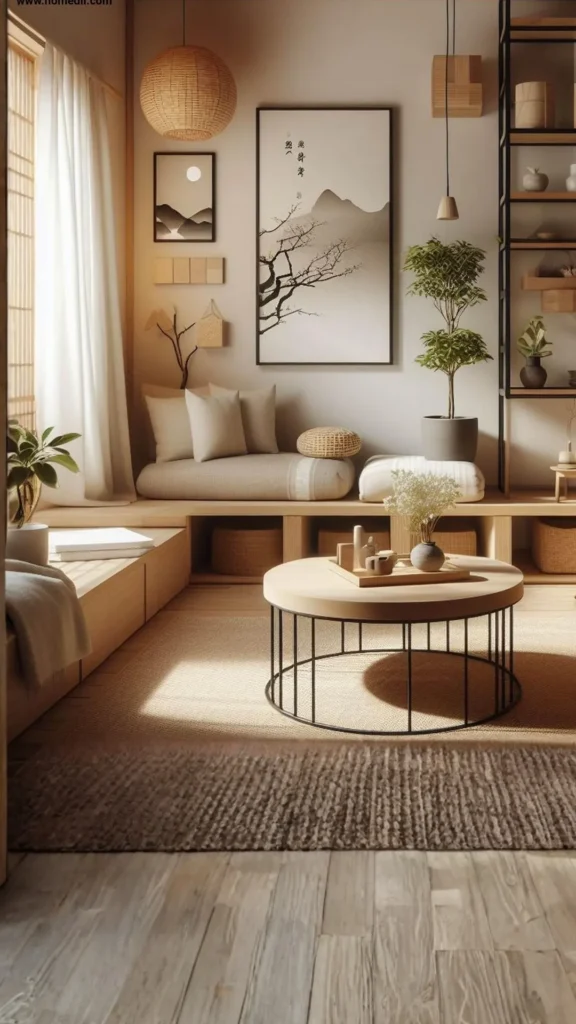
This is one of the most common questions people ask, and it’s a great one, because these two styles do share a lot of DNA. Here’s how to tell them apart:
| Organic Modern | Japandi | |
|---|---|---|
| Origin | Western, nature-inspired | Japanese + Scandinavian fusion |
| Palette | Warmer, earthier tones | Cooler, more muted neutrals |
| Furniture | Curved, sculptural, organic forms | Clean lines, functional, low-profile |
| Texture | Rich layering of natural textures | Restrained, minimal texture |
| Vibe | Warm luxury, cosy and inviting | Calm, zen, quietly disciplined |
| Plants | Abundant, expressive | Minimal, carefully placed |
The easiest way to think about it: Japandi is calm and disciplined. Organic modern is warm and expressive. Both are beautiful, they just feel slightly different to live in.
Many homes in 2026 actually blend the two, borrowing the warm wood tones and simplicity of Japandi with the curves and earthiness of organic modern.
5. Organic Modern Living Room Ideas
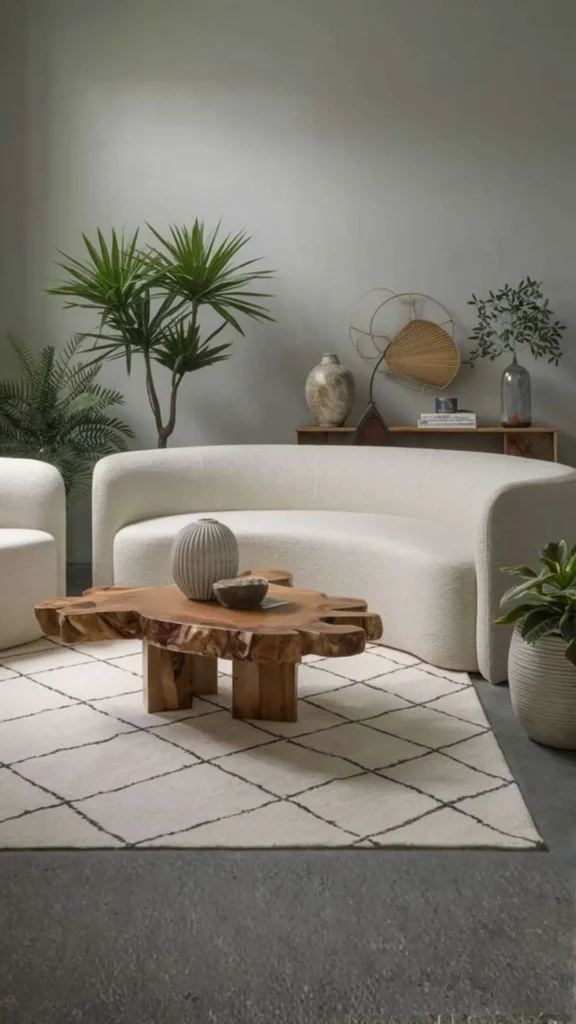
The living room is where organic modern interior design really shines. Here’s how to nail the look:
- Start with a curved bouclé sofa in cream, sand, or warm white, this is your anchor piece
- Add a stone or travertine coffee table with organic, irregular edges
- Layer a jute or wool rug underneath in a warm neutral tone
- Bring in wood accents through shelving, side tables, or decorative objects
- Add one statement plant, a large fiddle leaf fig or monstera works beautifully
- Keep lighting warm, think amber bulbs, rattan pendants, and candles
For more inspiration, head over to our post on Bouclé Sofa Living Room Ideas to see how to style the perfect organic modern sofa setup.
6. Organic Modern Bedroom Ideas
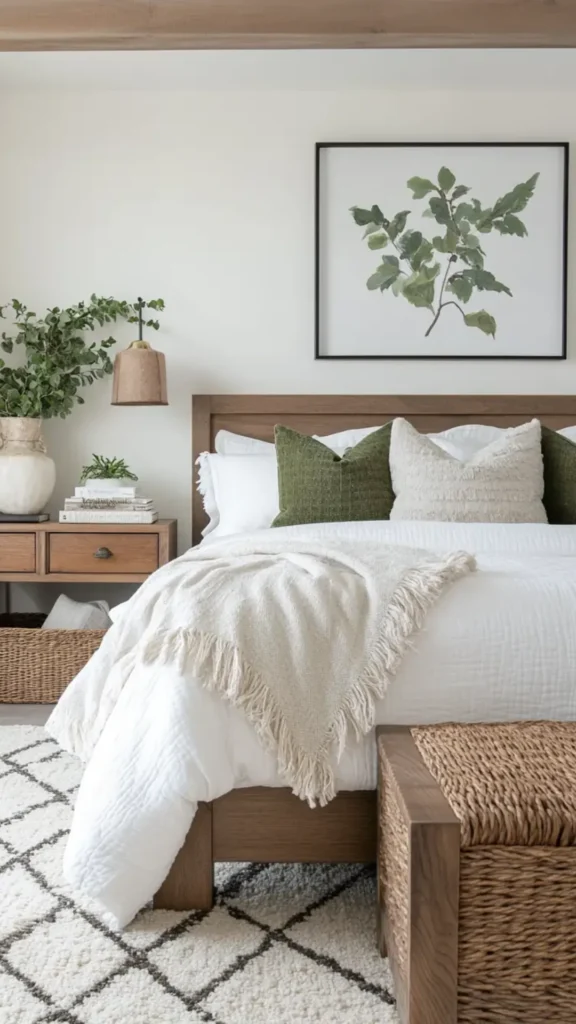
An organic modern bedroom should feel like the most restful place on earth. Here’s how to create that feeling:
- Choose linen or cotton bedding in warm white, oat, or soft sage green
- Add a curved or upholstered headboard in bouclé or natural linen
- Use warm wood bedside tables with organic, rounded edges
- Keep decor minimal, one or two plants, a ceramic lamp, and a woven throw
- Let natural light in, sheer linen curtains rather than heavy drapes
The overall feeling should be calm, warm, and incredibly inviting. Like a boutique hotel, but better — because it’s yours.
7. Organic Modern Kitchen Ideas
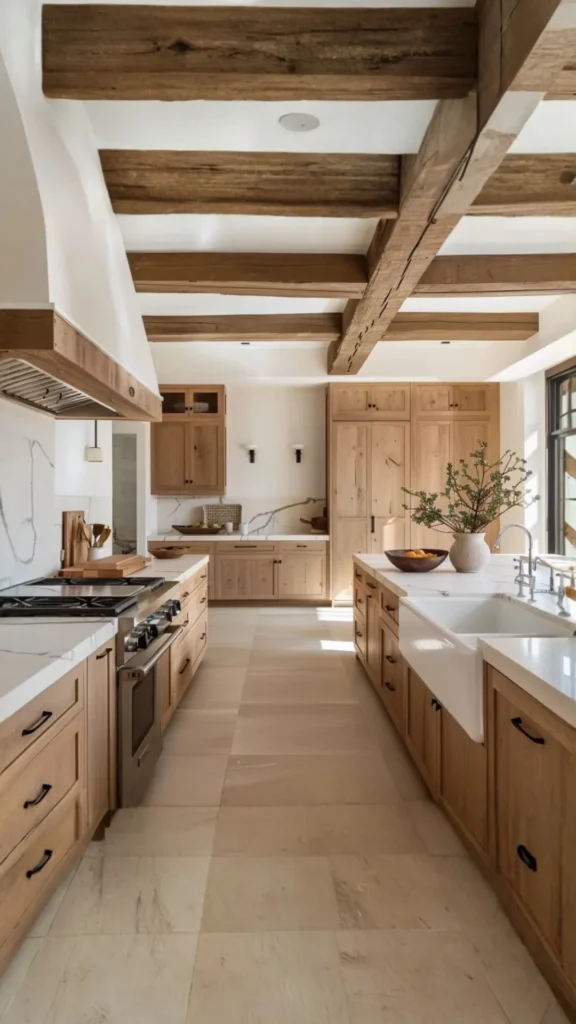
Yes, organic modern interior design works beautifully in kitchens too. Here’s what the look involves:
- Warm wood or oak cabinetry with simple, handleless fronts
- Stone or concrete countertops with natural veining
- Earthy backsplash tiles in terracotta, sage, or warm beige
- Open shelving to display ceramics, plants, and natural objects
- Integrated appliances to keep the space clean and uncluttered
- Warm pendant lighting over the island or dining table
The organic modern kitchen feels like a place you actually want to spend time in, not just cook in.
8. The Best Colors for an Organic Modern Home
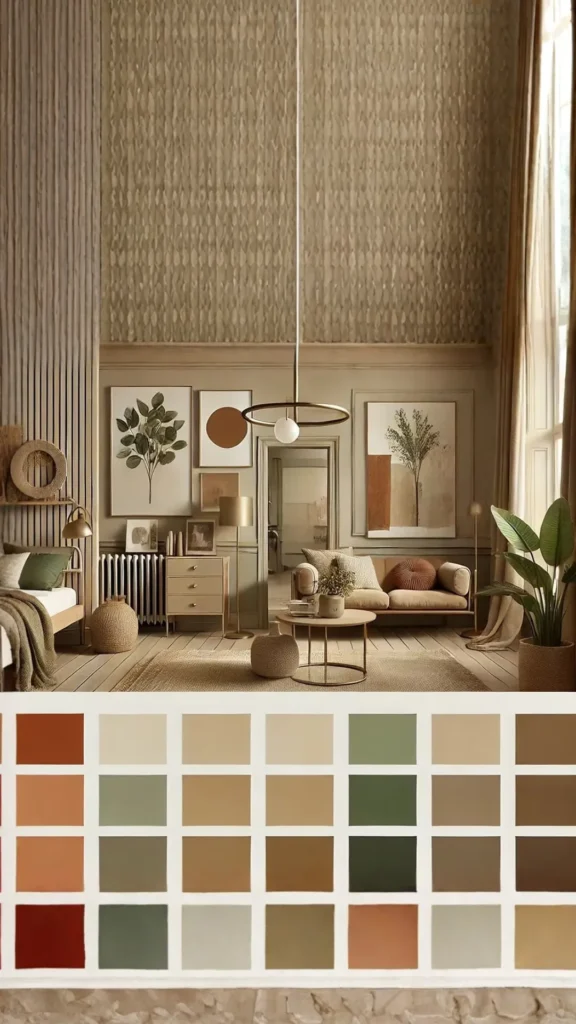
Getting the organic modern interior design color palette right is everything. Here are the shades that work best:
Neutrals:
- Warm white and off-white
- Cream and ivory
- Sand and oat
- Warm taupe and greige
Earthy Accents:
- Terracotta and clay
- Warm chocolate brown
- Burnt sienna
Nature-Inspired Tones:
- Olive and sage green
- Dusty eucalyptus
- Warm mushroom and stone grey
What to avoid: Cool grey, stark white, and anything that feels clinical or cold. Organic modern is all about warmth, even the neutrals should feel like they came from the earth.
9. Organic Modern Furniture to Look For
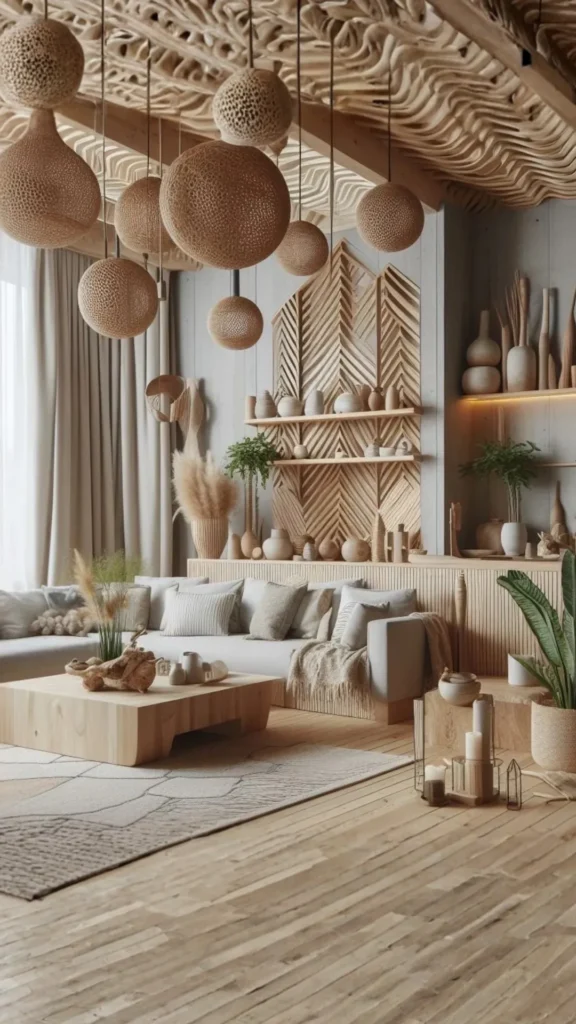
When shopping for organic modern interior design furniture, keep these key pieces in mind:
- Curved or kidney-shaped sofas in bouclé, linen, or velvet
- Sculptural armchairs with organic, rounded forms
- Live-edge or organic-shaped coffee tables in stone or solid wood
- Biomorphic side tables with irregular, natural forms
- Curved bookshelves with flowing, wave-like silhouettes
- Arched floor lamps in warm brass or matte black
- Woven pendants in rattan or seagrass
The key is choosing pieces that feel handmade, considered, and connected to nature, rather than mass-produced and perfectly uniform.
10. How to Transition Your Home to Organic Modern Style
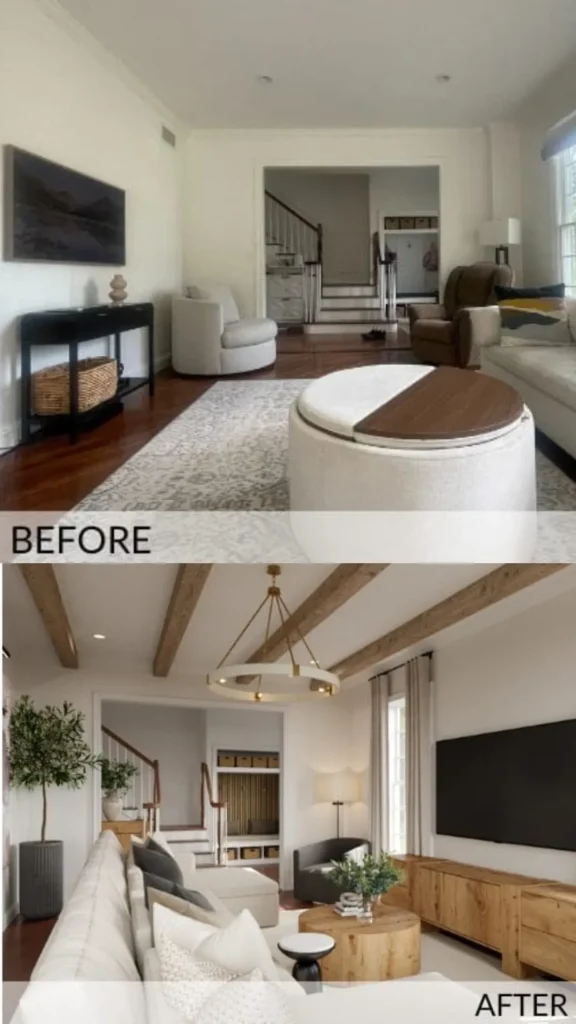
You don’t need to start from scratch to embrace organic modern interior design. Here’s a simple room-by-room approach:
Start with what you have:
- Swap out synthetic cushion covers for linen or cotton ones
- Add one large plant to your living room
- Replace cold-toned bulbs with warm LED bulbs throughout
Next layer up:
- Invest in a jute or wool rug in a warm neutral tone
- Add a wooden tray or ceramic vase to your coffee table
- Introduce one curved furniture piece, even a small side table counts
Go deeper when you’re ready:
- Upgrade to a curved bouclé sofa or upholstered headboard
- Introduce stone or travertine accents through a coffee table or decorative objects
- Add arched shelving or a sculptural bookcase to a key wall
Small changes add up fast. You’d be surprised how different a room feels after just a few intentional swaps.
11. Organic Modern Embraces the Beauty of Visible Natural Grain
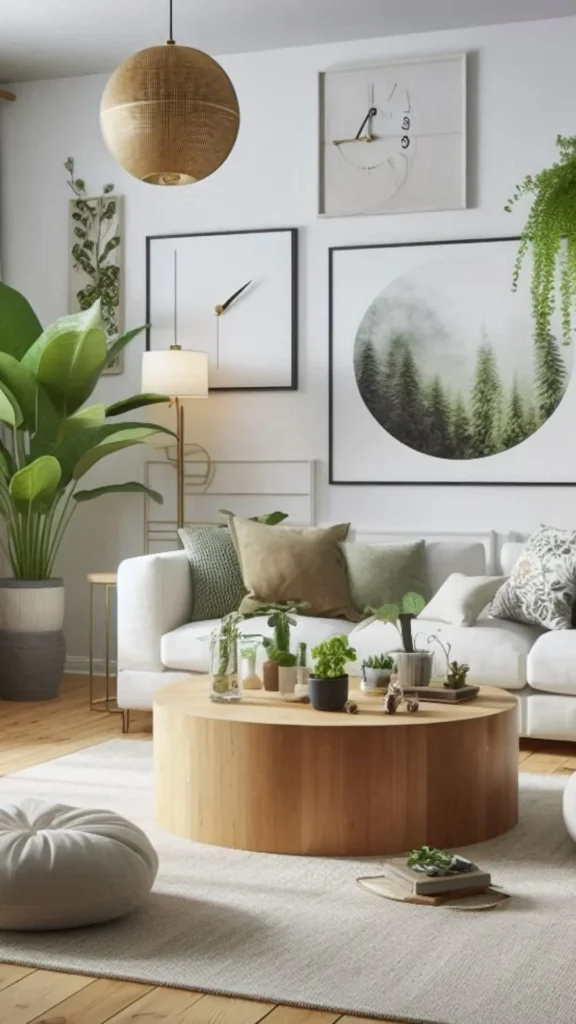
One of the most quietly significant principles of organic modern interior design is the commitment to surfaces that show their natural origin honestly. Warm wood furniture in an organic modern home is chosen specifically for the beauty of its visible grain rather than for a smooth, uniform, painted, or lacquered finish that conceals it.
Wide plank oak flooring with visible knots and grain variation, a solid walnut coffee table where the natural figure of the wood is the primary visual quality of the piece, and open wood shelving where the grain of each shelf is clearly readable all express the organic modern commitment to materials that show what they are rather than hiding it beneath manufactured uniformity.
12. Warm Amber Lighting Is Non-Negotiable in an Organic Modern Home
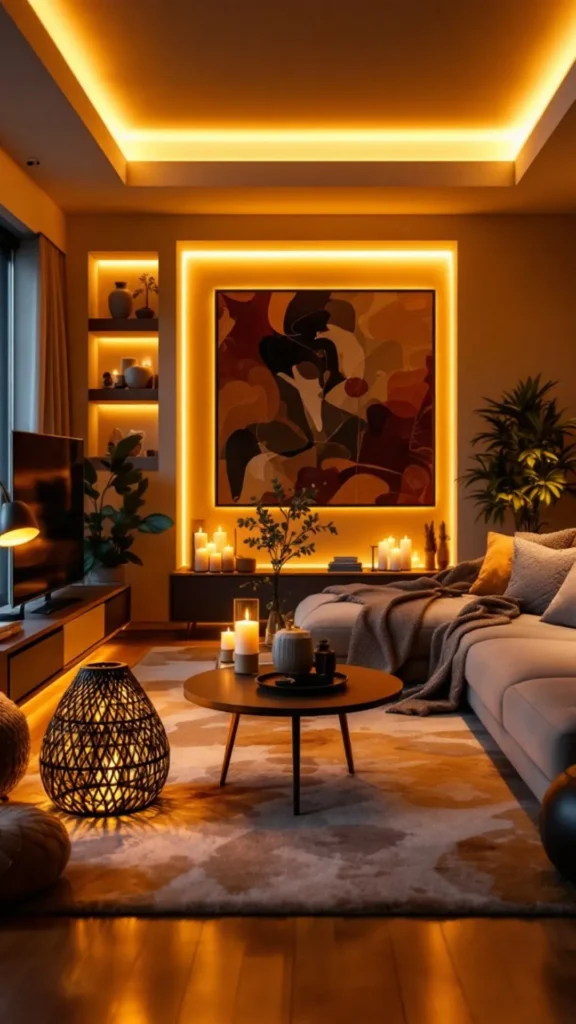
No design decision in an organic modern interior is more consistently underestimated or more immediately transformative than the quality of artificial lighting. Every light source in a genuinely organic modern home operates at 2700K or below, producing a warm amber quality that makes oak grain look richer, linen look warmer, travertine look more beautiful, and ceramics more alive.
Cool white lighting at 4000K or above undermines every warm material decision in the room regardless of how carefully those decisions were made. The warm light is not optional. It is the element that allows every other organic modern material choice to perform at its best.
13. Natural Stone Introduces a Geological Quality That No Manufactured Surface Replicates
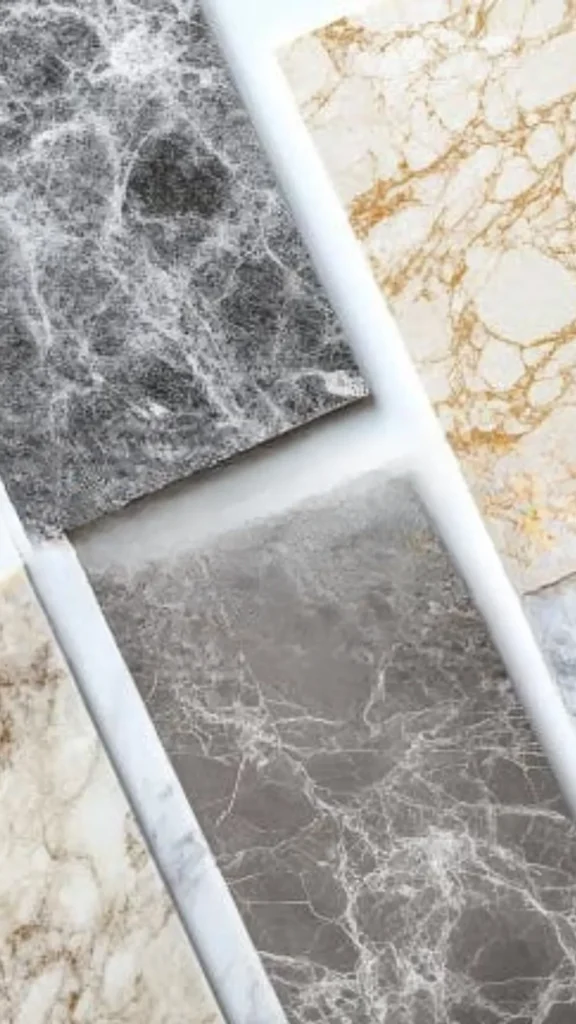
Travertine, honed marble, limestone, and natural slate all bring a geological depth and material honesty to organic modern interiors that manufactured surfaces consistently fail to replicate. The natural variation in tone, texture, and pattern across each piece of real stone, every vein and fossil and natural imperfection, creates a surface of genuine material richness.
A travertine coffee table, a honed marble bathroom vanity, a limestone kitchen backsplash, or a slate hearth all introduce this geological quality to the room in which they appear, grounding the organic modern interior in the most literal and most genuinely natural material available.
14. Organic Modern Favors Handmade Ceramics Over Mass-Produced Alternatives
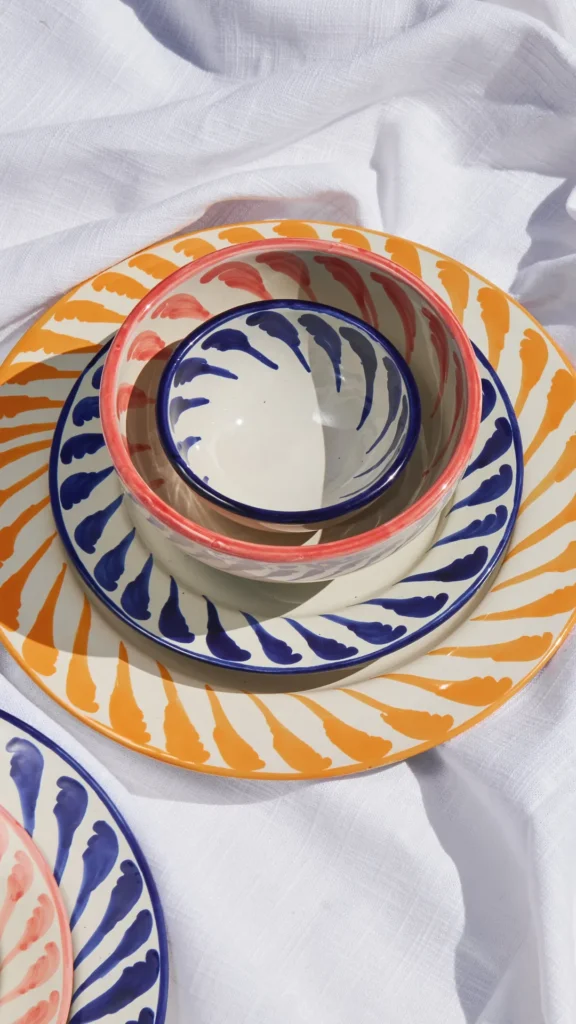
The ceramics present in an organic modern home are almost always handmade rather than mass-produced. A hand-thrown vase with a visible irregular rim, a handmade ceramic bowl whose glaze has pooled slightly differently on each side, and a ceramic lamp base with the subtle texture of the potter’s hands in its surface all bring the warmth and character of human making that machine-produced alternatives cannot provide.
Handmade ceramics from small studios and independent potters are often more affordable than equivalent pieces from major design retailers and always more warm and interesting. Their slight irregularity is not a manufacturing defect. It is the quality that makes them genuinely beautiful.
15. Negative Space Is Treated as Actively as Any Object in the Room
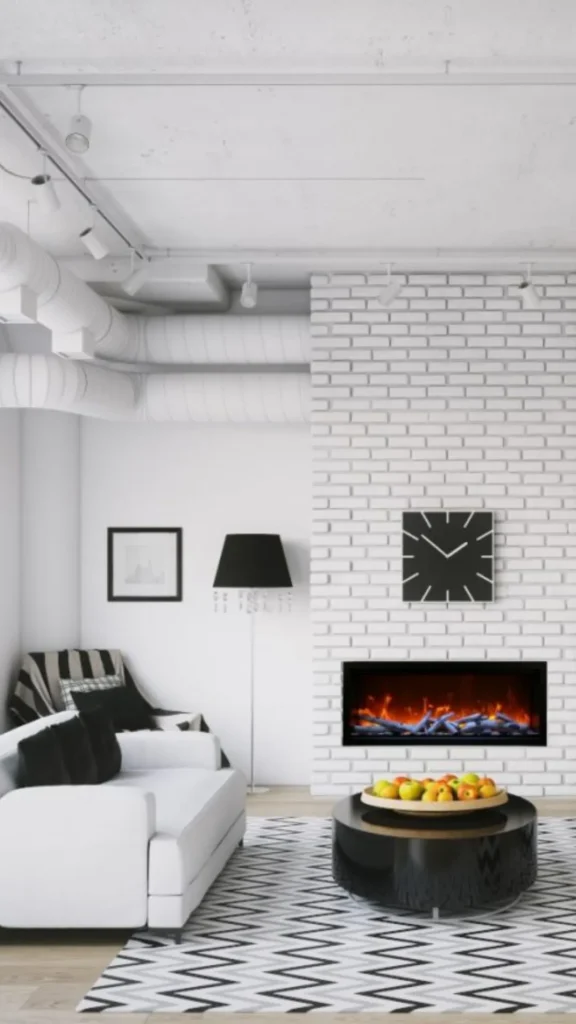
In a room without strong color, where the visual interest comes from material texture and organic form rather than bold contrast, the empty space between objects becomes as important as the objects themselves. An organic modern living room deliberately maintains generous negative space on every surface, between every piece of furniture, and on every wall.
A single handmade ceramic on a clear travertine coffee table is more beautiful and more present than the same ceramic surrounded by accumulated objects. The empty surface around it gives it the visual weight and significance it would lose in a more crowded arrangement. This principle applies at every scale throughout the organic modern home.
16. Dried and Fresh Botanicals Connect the Interior to the Seasonal World Outside
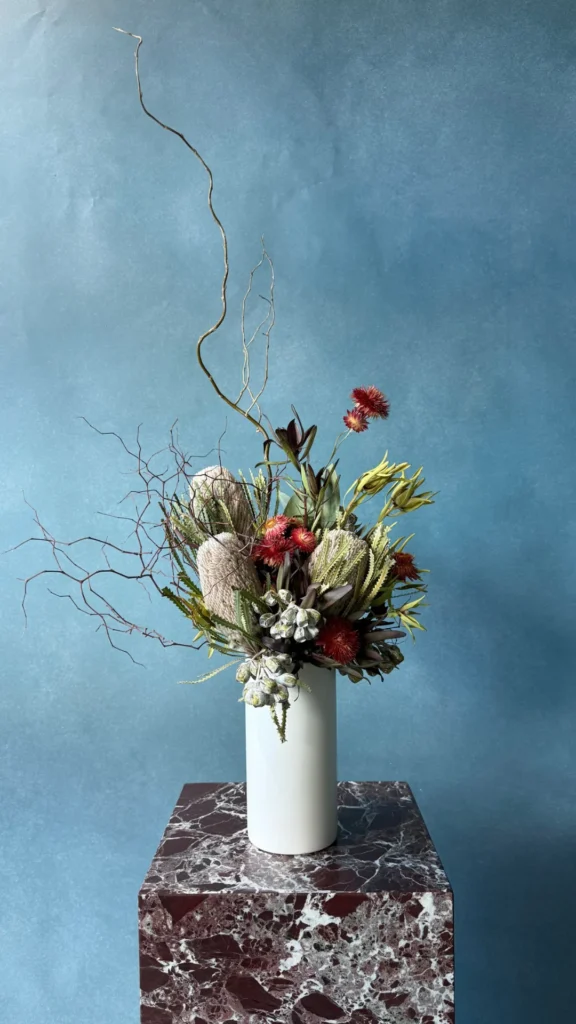
An organic modern home maintains a living connection to the natural world outside it through the botanicals present in every room. Fresh eucalyptus in a ceramic vessel in the living room. Dried pampas grass in a tall ceramic in the entryway. A small potted succulent on the kitchen windowsill. A trailing pothos on the open shelf in the bedroom.
The botanicals change seasonally, which is part of their purpose. Bare branches in winter, dried grasses in autumn, simple fresh florals in spring, and lush green plants in summer keep the organic modern interior genuinely connected to the natural cycle rather than frozen in a single permanent styled moment.
17. Organic Modern Is Defined by Form as Much as by Material
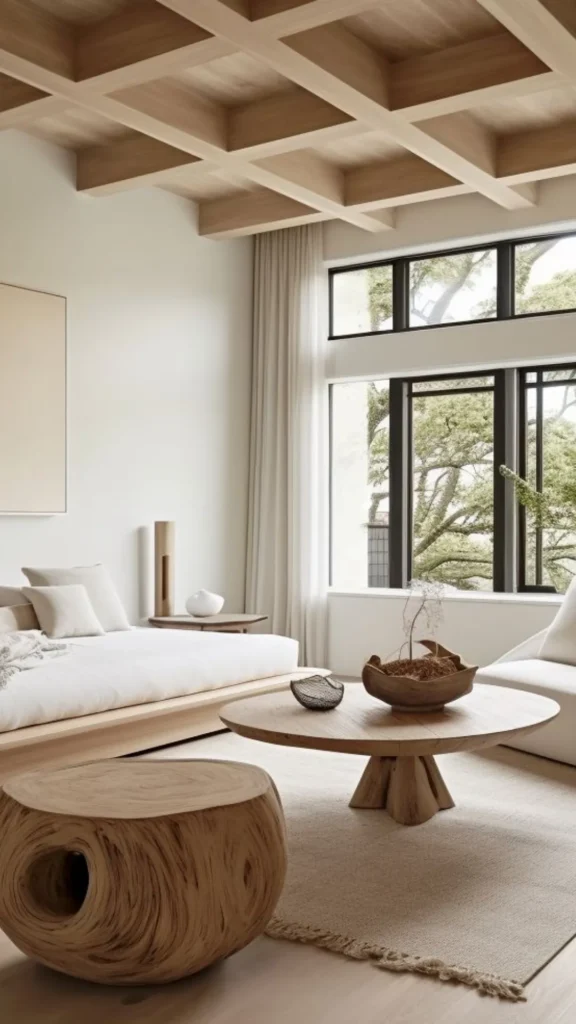
The organic modern aesthetic is as much about the form of furniture and objects as it is about their material. Curved sofas, organic coffee tables, rounded side tables, arch mirrors, and biomorphic sculptures all express the organic form language that connects the organic modern interior to the natural world at a structural rather than simply a material level.
Sharp corners and rigid geometric forms belong to a different aesthetic. In a genuinely organic modern room, every piece of furniture and every significant object present has at least one curved or organic element in its form that connects it to the room’s broader design language.
18. Sustainable and Consciously Sourced Materials Are Central to the Philosophy
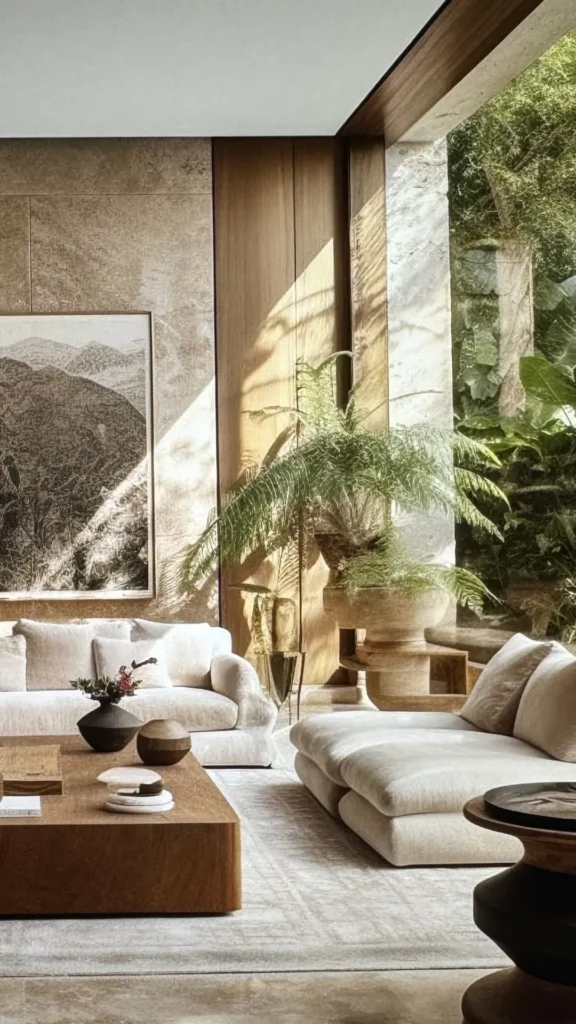
Organic modern interior design is not simply an aesthetic choice. For many who practice it, it is a values-based approach to furnishing and decorating the home that prioritizes sustainable sourcing, longevity of use, and the preference for natural materials over synthetic alternatives wherever possible.
Choosing solid wood furniture over manufactured board alternatives, natural fiber rugs over synthetic pile, handmade ceramics over mass-produced plastic, and organic linen bedding over synthetic alternatives all express the organic modern commitment to consuming more consciously and furnishing more honestly.
19. The Organic Modern Kitchen Keeps Surfaces Clear and Materials Visible
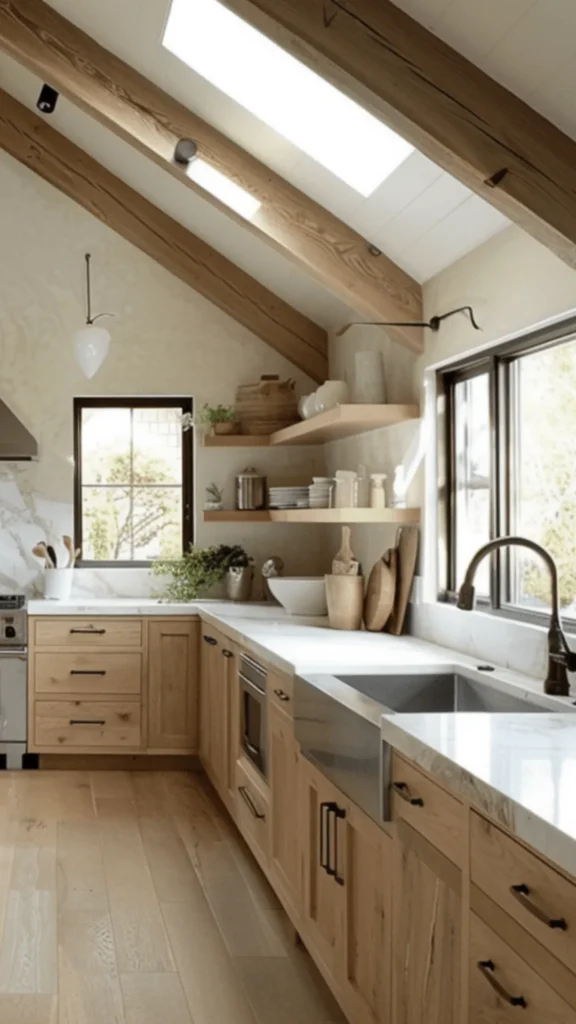
In an organic modern kitchen, the work surfaces are kept as clear as possible so that the beauty of the natural stone, honed marble, or warm wood countertop is always visible and always the primary visual quality of the kitchen. The few objects permitted on the countertop, a ceramic canister, a cutting board in warm wood, a small plant on the windowsill, are each beautiful enough to justify their position.
The organic modern kitchen prioritizes the quality of its materials and the honesty of its surfaces over the accumulation of appliances, tools, and accessories that gradually undermines the beauty of the most carefully considered kitchen design.
20. Organic Modern Bathrooms Prioritize Natural Material and Warm Light
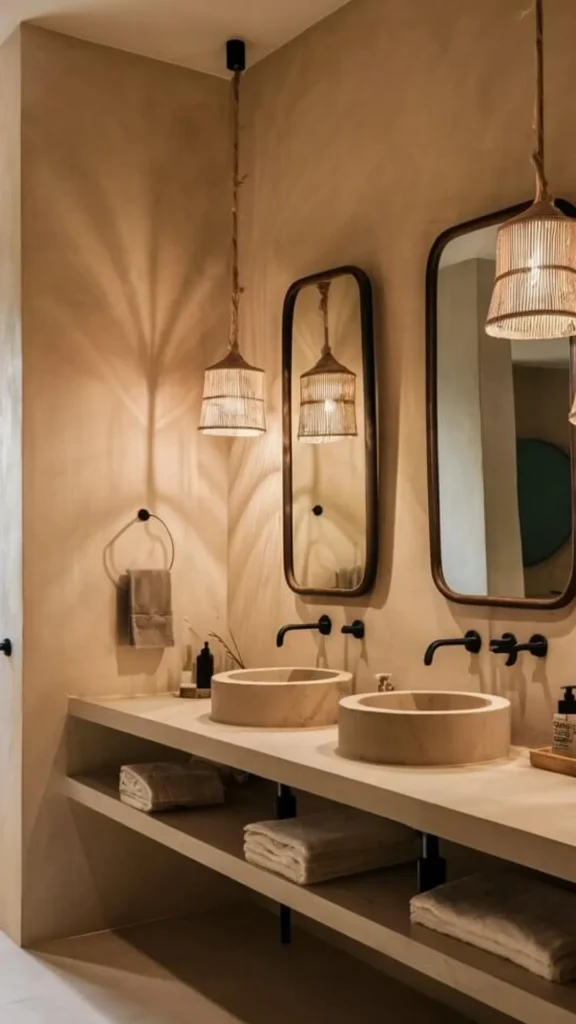
An organic modern bathroom replaces the cool, clinical quality of conventional bathroom design with warm stone surfaces, natural wood cabinetry, handmade ceramic accessories, and warm amber lighting. A honed stone vanity top, warm oak or teak cabinetry, a handmade ceramic soap dish and toothbrush holder, and a warm pendant above the vanity rather than cool recessed lighting transform the bathroom from a purely functional space into one of the most genuinely warm and restorative rooms in the home.
21. Texture Layering Creates Visual Richness Without Requiring Bold Color
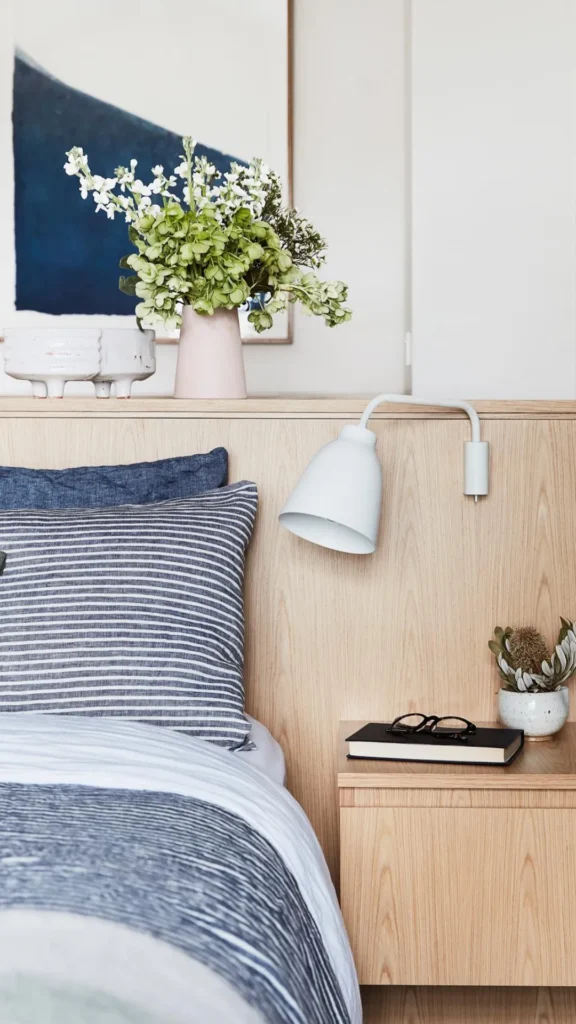
The most immediately recognizable quality of a genuinely organic modern interior is the layered richness of different natural textures present in every room. Linen beside bouclé beside rough jute beside smooth ceramic beside warm wood creates a home where every surface rewards closer inspection and where the visual interest comes entirely from the variation between natural material surfaces rather than from any bold color choice.
This texture-led approach to visual richness is what allows the organic modern home to feel genuinely luxurious and genuinely interesting while maintaining the completely muted, earthy color palette that the aesthetic is built on.
22. The Organic Modern Home Evolves Rather Than Being Decorated Once
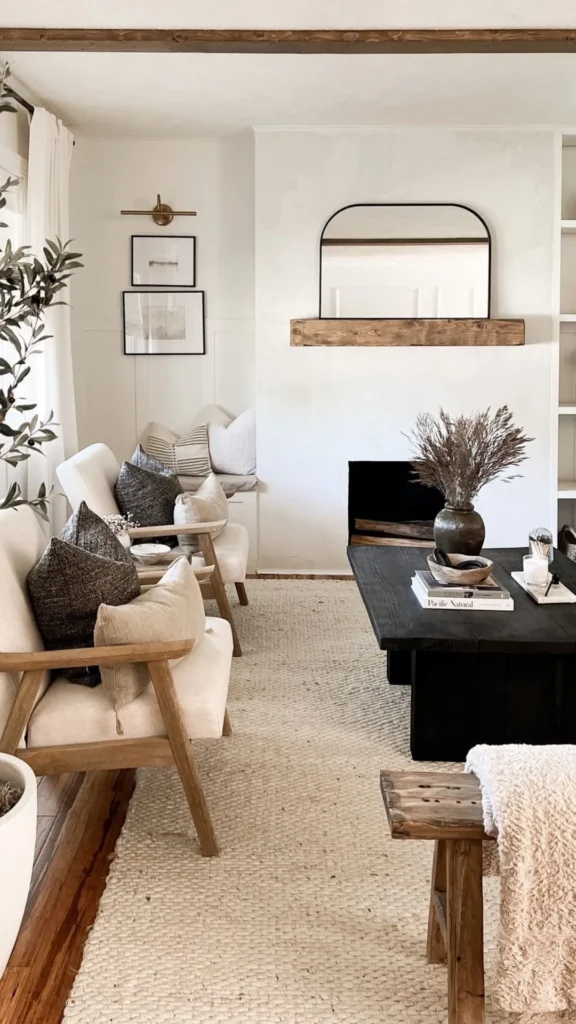
One of the most important and most frequently overlooked principles of organic modern interior design is that the home is understood as an evolving environment rather than a completed project. Objects are added gradually, chosen with care, and sometimes removed when they no longer feel genuinely connected to the room around them.
This evolutionary approach produces homes of extraordinary personal depth over time, where every object present has been genuinely chosen rather than purchased as part of a wholesale decoration exercise. The organic modern home that has been slowly and thoughtfully developed over several years always has more warmth, more character, and more genuine soul than one decorated in a single deliberate effort.
23. Warm Earthy Wall Colors Set the Room’s Emotional Register Before Anything Else
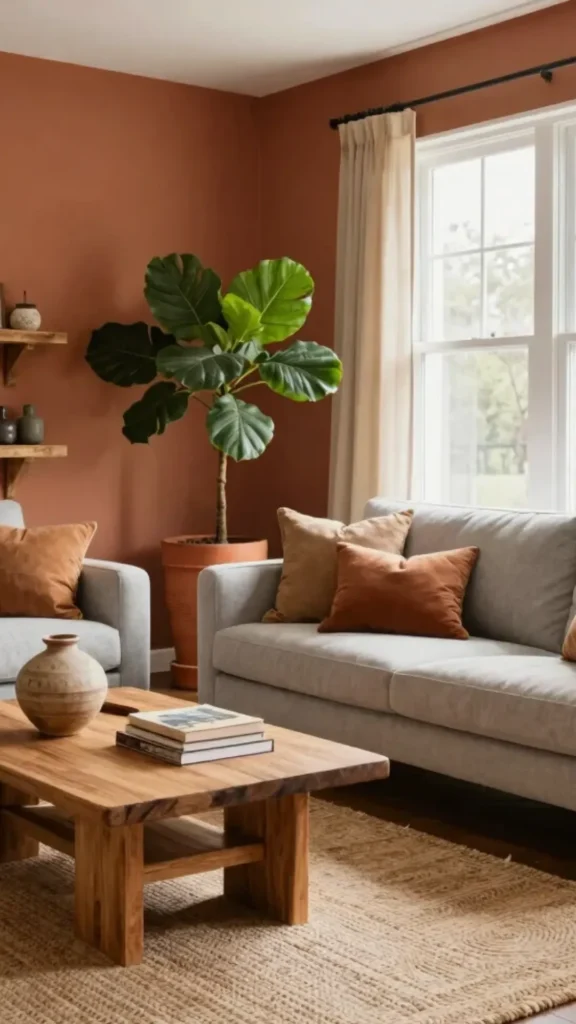
The wall color of an organic modern room sets its emotional register before a single piece of furniture has been placed or a single object displayed. A warm oat white creates lightness and luminosity. A soft sage creates calm and natural connection. A muted terracotta creates warmth and shelter. A deep olive creates luxury and envelopment.
Each of these wall color choices fundamentally determines the character of everything that follows inside the room. The most important organic modern design decision is not the sofa or the rug or the ceramics. It is the wall color that determines how all of those things are experienced.
24. One Large Mirror in an Organic Form Doubles Light and Visual Space
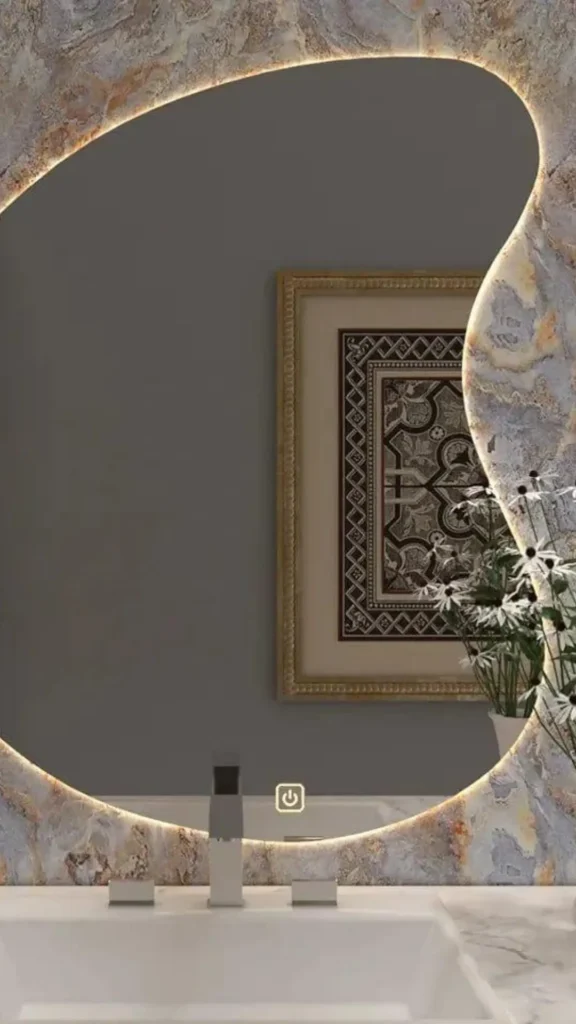
Every organic modern home benefits from at least one large mirror in an organic or arch form positioned to reflect natural light deeper into the room. A large arch mirror in warm rattan or natural wood opposite the primary window doubles the available daylight, makes the room feel significantly larger, and introduces the organic form language to the wall surface where furniture cannot reach.
The mirror should always be chosen for its frame material first. A warm rattan frame, a natural oak frame, or an organic-edged frame without any manufactured finish keeps the mirror within the natural material language of the room rather than introducing a cool, reflective metal element that disrupts it.
25. The Organic Modern Home Feels as Good to Live In as It Looks
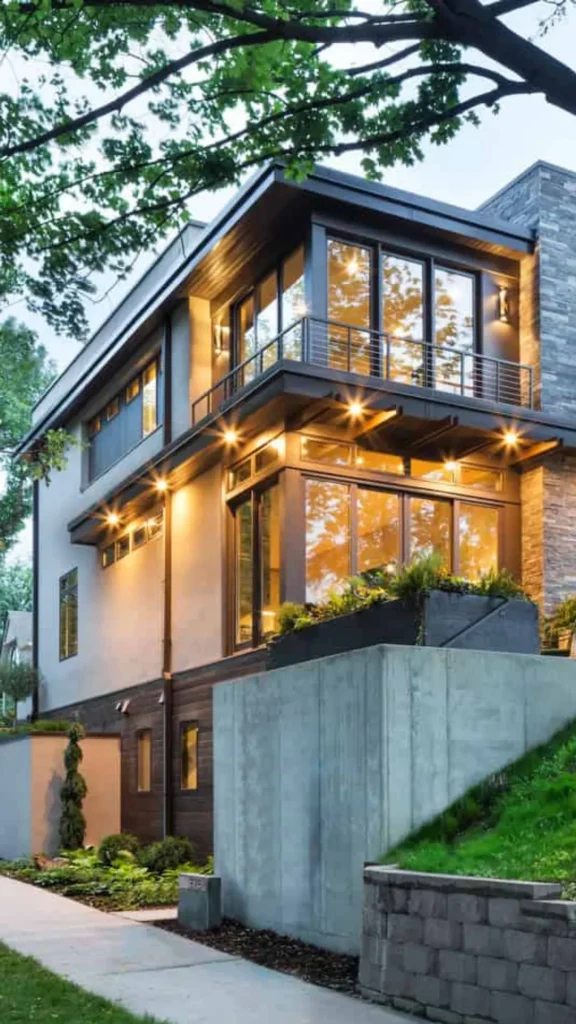
The ultimate test of a genuinely organic modern interior is not how it photographs but how it feels to live in every day. A room of warm materials, organic forms, natural textures, amber light, and genuine negative space consistently produces a daily experience of calm, warmth, and genuine comfort that photographically impressive but experientially empty rooms never achieve.
The organic modern home at its best is a place that feels as good on an ordinary Wednesday morning as it does immediately after a deliberate styling session. That consistency, the quality of the daily lived experience rather than the quality of the photographed moment, is the standard against which every organic modern design decision should ultimately be measured.
Final Thoughts
Organic modern interior design is so much more than a trend, it’s a whole philosophy about how your home should feel. Warm. Intentional. Connected to nature. Genuinely cozy without sacrificing style.
Whether you’re starting with a single bouclé cushion or redesigning your entire living room, the principles are the same: choose natural materials, embrace organic shapes, stick to a warm earthy palette, and keep it beautifully simple.
For more inspiration on Bouclé Headboard Bedroom Ideas, check out our guide on Bouclé Headboard Bedroom Ideas !


Pingback: Bouclé Sofa Living Room Ideas: 10 Cozy Styles to Try in 2026 - Bouclé Home