


The word Japandi has become one of the most used and most misused terms in interior design over the past several years. It appears on product labels, in marketing copy, and in the descriptions of rooms that share nothing more than a neutral wall color and a single rattan pendant. The genuine Japandi interior design philosophy is considerably more specific, more demanding, and more deeply rewarding than its overuse suggests.
At its core, Japandi interior design ideas emerge from the intersection of two philosophies that are more similar than different. The Japanese tradition of finding beauty in the natural, the imperfect, and the restrained meets the Scandinavian commitment to warm functionality and hygge-adjacent comfort. What results is a design approach that creates homes of extraordinary calm and warmth, spaces where every element belongs and nothing is present by accident. Here are 10 ideas for applying that philosophy throughout your home. 🌿
What Japandi Interior Design Actually Means in 2026

Genuine Japandi interior design in 2026 is not a visual style that can be achieved by purchasing specific furniture pieces or applying a particular paint color. It’s a philosophy that manifests in the quality of every decision made throughout a home, from the floor material to the ceramic vessel on the kitchen shelf to the habit of clearing surfaces before sleeping.
According to Dezeen, Japandi has maintained its position as one of the most consistently searched and most deeply aspired-to interior design philosophies globally throughout 2026, driven by a cultural desire for homes that feel genuinely calm rather than simply aesthetically minimal. The distinction matters enormously. Japandi calm is active and created. It is the result of specific, deliberate choices working together consistently across the whole home.
1. Warm Natural Wood as the Material Backbone
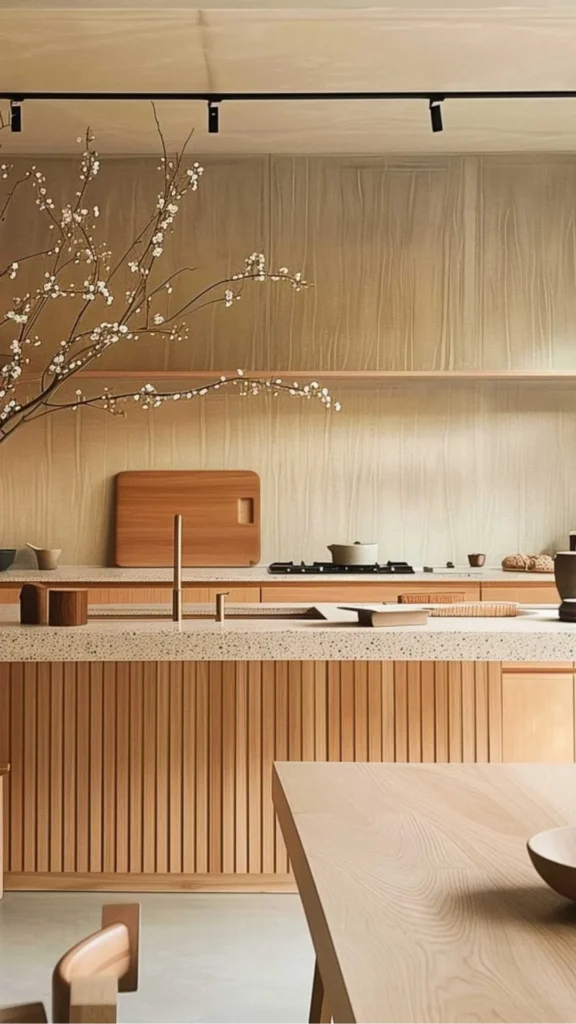
Wood is the material that more than any other defines the warmth within Japandi interior design. Without it, the aesthetic risks sliding toward the cool, clinical minimalism it superficially resembles. With it, the home has a warmth and natural depth that makes every room feel genuinely inviting rather than simply restrained.
In a Japandi home, warm wood appears consistently throughout every room. Oak or walnut flooring in wide planks, solid wood furniture with visible grain, open shelving in warm timber, and the visible wooden legs and frames of upholstered pieces all contribute to a consistent material warmth that the eye reads as settled and considered. The grain and natural variation of real wood is as important as the tone. It introduces the natural variation and life that the wabi-sabi philosophy celebrates.
How to style it: Choose one wood tone and apply it consistently throughout the home. The coherence of a single warm wood family across every room creates a visual connection between spaces that makes the home feel designed as a whole rather than room by room.
Pinterest keywords: Japandi Interior Design Ideas · Warm Wood Interior · Japandi Home 2026
2. A Muted, Earthy Color Palette in Every Room

The color palette of a Japandi interior design is built on restraint and warmth applied consistently from room to room rather than varying dramatically between spaces. Warm white or oat in the living room, soft sage in the bedroom, warm greige in the bathroom, and muted olive in the kitchen all belong to the same warm, earthy, nature-connected family that creates the visual unity of a genuine Japandi home.
The muting of saturation is the quality that most distinguishes a Japandi palette from a simply neutral one. Colors with their brightness turned down, mixed with a little grey or brown, feel as though they have come from the natural world rather than from a paint chart. That quality of natural, unpretentious color is what creates the settled atmosphere of a Japandi interior rather than the fashionable neutrality of a room that is simply avoiding commitment.
How to style it: Allow one considered earthy accent to run through multiple rooms in small doses. A warm terracotta used in a ceramic in the living room, a pot in the kitchen, and a cushion in the bedroom creates a thread of warmth and connection between spaces that makes the home feel genuinely cohesive.
Pinterest keywords: Japandi Interior Design Ideas · Japandi Color Palette · Earthy Home Palette 2026
3. Wabi-Sabi Objects That Give Each Space Its Soul
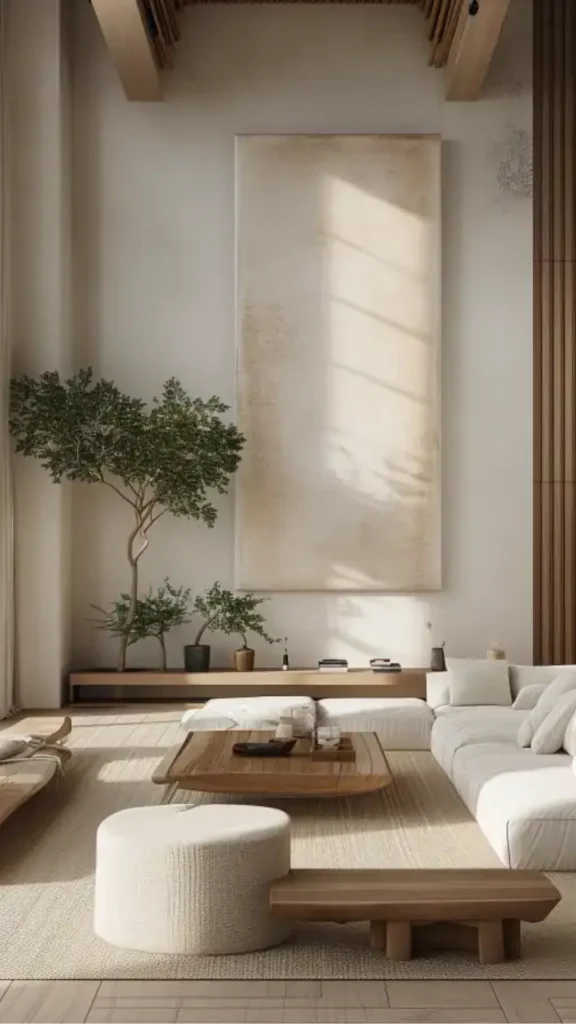
The wabi-sabi principle, finding beauty in imperfection, incompleteness, and the marks of time, is what gives Japandi interior design its soul. Without it, a home with warm wood, muted walls, and restrained decoration is simply minimal. With it, the same home feels genuinely alive, inhabited by someone with a deep and considered relationship with the objects around them.
In practical terms, wabi-sabi in a Japandi interior means choosing handmade over machine-made wherever the choice is available. A hand-thrown ceramic vase whose surface is slightly irregular, a wooden bowl that shows the marks of its making, a piece of driftwood used as a sculptural object, a candle that has been burned and shows its use. These objects carry evidence of natural and human imperfection that manufactured alternatives lack entirely, and their presence is what transforms a Japandi interior from a styled space into a genuinely inhabited one.
How to style it: When buying decorative objects for a Japandi home, always hold the handmade alternative alongside the manufactured one and ask which carries more warmth and more life. The answer will almost always guide you toward the object that belongs more genuinely in the space.
Pinterest keywords: Japandi Interior Design Ideas · Wabi-Sabi Home · Handmade Ceramics Interior 2026
4. Natural Light as the Primary Design Element

In Japandi interior design, natural light is not simply the condition under which the home is seen. It is an active design element, as important as any furniture choice or color decision, and one that requires as much intentional management. The Japanese tradition of filtered, indirect, subtly shadowed light and the Scandinavian imperative to maximize every precious hour of daylight both point toward the same practical principle: treat natural light with the same care and intention you would give any other design decision.
This means keeping windows completely unobstructed where possible, using sheer linen panels that diffuse light without blocking it, positioning mirrors deliberately to reflect available daylight into darker areas, and choosing wall colors with enough warmth to make whatever light the room receives look beautiful rather than flat. In north-facing rooms, the warm wall color carries the warmth that the cooler daylight doesn’t provide. In south-facing rooms, the sheer linen manages the brightness without closing the room off from the warmth and life of the outdoor world.
Pinterest keywords: Japandi Interior Design Ideas · Natural Light Home · Japandi Design Light 2026
5. Handmade Ceramics Throughout the Home
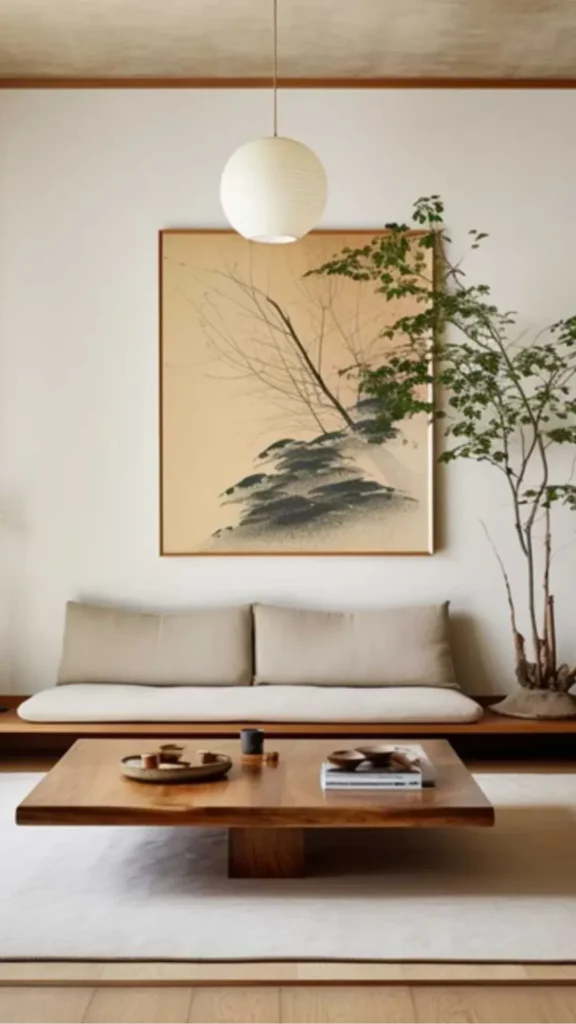
Handmade ceramics are the accessory category that most consistently and most beautifully expresses the Japandi interior design philosophy across every room in the home. In the living room, a hand-thrown vase on the coffee table. In the kitchen, ceramic bowls and a jug on the open shelves. In the bedroom, a ceramic lamp base and a small vessel on the bedside table. In the bathroom, a soap dish and a small tray on the vanity surface.
Applied consistently throughout the home, handmade ceramics in warm, earthy clay tones create a thread of natural, handmade warmth that runs from room to room and makes the whole home feel genuinely connected in its values and its aesthetic. They are also the most accessible and most immediately impactful Japandi change available, because replacing a single manufactured ceramic with a handmade alternative changes the quality of warmth and life in any surface it inhabits.
Pinterest keywords: Japandi Interior Design Ideas · Handmade Ceramics Home · Japandi Ceramics 2026
6. Low-Profile Furniture That Grounds Every Room
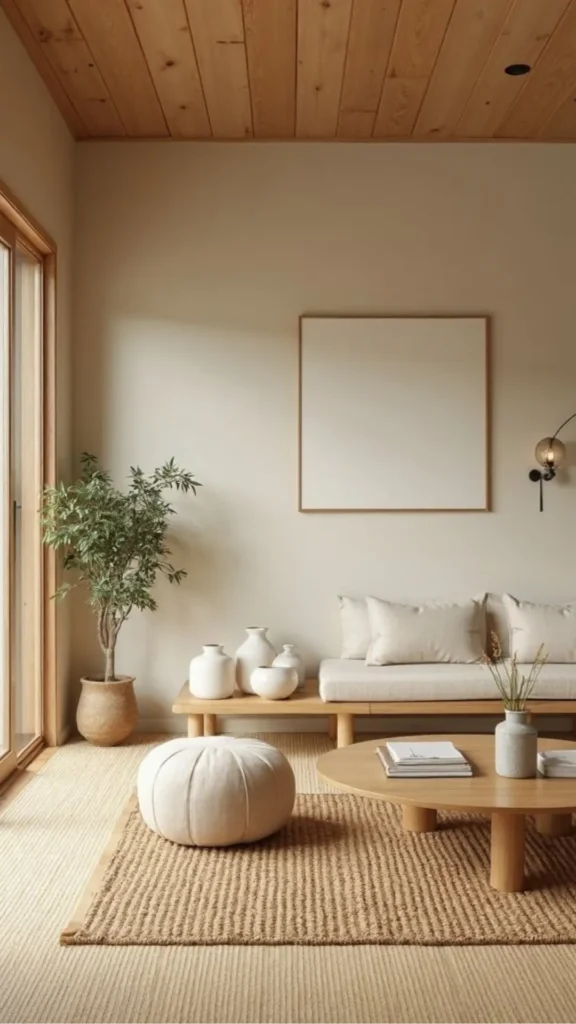
The relationship between furniture and the floor is one of the most distinctive and most quietly powerful qualities of genuine Japandi interior design. Low-profile pieces, sofas that sit closer to the ground than conventional Western height, coffee tables that barely clear 35cm, platform beds, and shelving that runs horizontally rather than reaching toward the ceiling, all keep the visual weight of the room’s furnishings close to the ground and create a settled, grounded quality that higher furniture arrangements consistently lack.
This closeness to the floor connects to the Japanese tradition of proximity to the earth as a quality of stability and genuine rest, and to the Scandinavian commitment to furniture that serves human comfort directly rather than creating visual status. In practical terms, it means that every room in a Japandi home feels immediately calming to enter, because the furniture’s low visual weight keeps the space feeling open, spacious, and genuinely at rest.
Pinterest keywords: Japandi Interior Design Ideas · Low Profile Furniture · Japandi Furniture 2026
7. A Single Statement Plant in Each Space

The plant philosophy of Japandi interior design is one of quality and intention rather than abundance. Where the boho aesthetic fills every corner with trailing plants in generous profusion, the Japandi approach places one genuinely beautiful, well-chosen specimen in each space where it will receive adequate natural light and where it can be seen and appreciated as the living, organic presence it is.
A large fiddle leaf fig in the living room corner where morning light reaches it, a single olive tree in a warm terracotta pot in the kitchen beside the window, a compact snake plant on the bedroom dresser, a peace lily on the bathroom windowsill. Each plant is chosen specifically for its space, potted in a warm ceramic vessel that complements the room’s palette, and positioned where it will genuinely thrive. This intentional, one-at-a-time approach produces a home that feels connected to the natural world through carefully tended relationship rather than decorative accumulation.
Pinterest keywords: Japandi Interior Design Ideas · Japandi Plants · Indoor Plant Japandi 2026
8. Layered Natural Textures, Linen, Jute and Wool
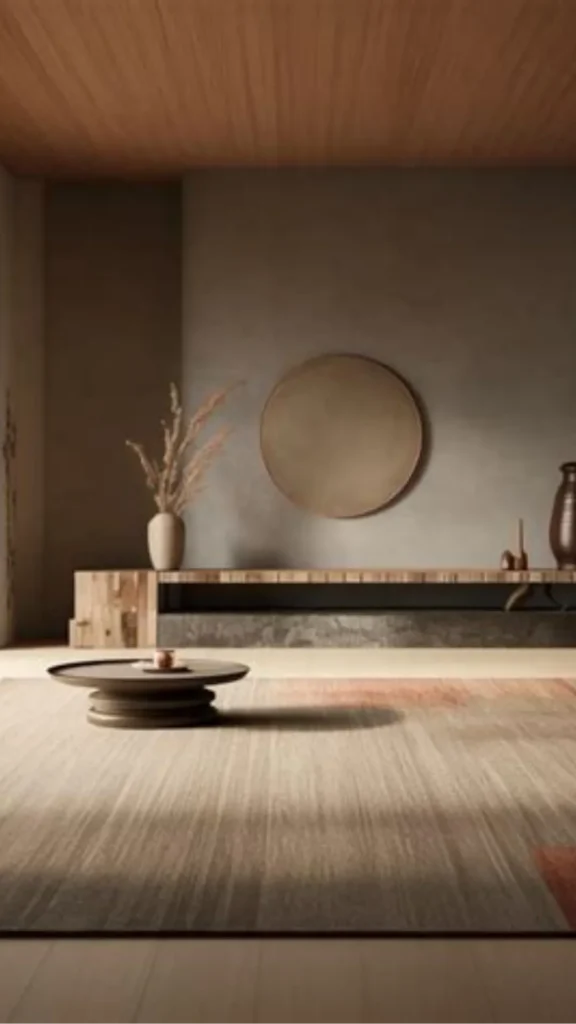
Texture is what prevents Japandi interior design from feeling flat or cold despite its disciplined color palette and restrained decoration. The consistent layering of natural textures throughout the home, linen upholstery and bedding, jute rugs underfoot, wool throws over sofas and chairs, and ceramic and rattan accessories on surfaces and shelving, creates a home that is visually and tactilely rich in a way that the palette and the furniture forms alone cannot achieve.
Each of these natural textures also creates acoustic warmth alongside visual warmth. Every soft, natural surface absorbs a small amount of the room’s ambient sound, and collectively across multiple rooms and multiple materials, this creates a quieter, more settled home environment that supports the Japandi value of genuine calm more effectively than any purely decorative decision.
Pinterest keywords: Japandi Interior Design Ideas · Natural Textures Home · Japandi Textures 2026
9. The Principle of the Deliberately Clear Surface

The deliberately clear surface is not simply a Japandi aesthetic preference. It’s a philosophical commitment to the understanding that negative space is as important as the objects that occupy it, and that the beauty of any individual object is amplified by the clarity of the surface on which it sits. In a Japandi interior design context, this principle applies to every horizontal surface in the home.
The kitchen countertop kept clear except for one wooden chopping board and a ceramic bowl in daily use. The coffee table styled with three intentional objects and generous empty space between them. The bedside surface holding a lamp, one small ceramic vessel, and one book. The bathroom vanity with a soap dish, a small tray, and nothing else. These practices of deliberate restraint are daily habits rather than one-time styling decisions, and it is the consistency of their application throughout the home that creates the extraordinary calm of a genuinely Japandi interior.
Pinterest keywords: Japandi Interior Design Ideas · Clear Surfaces Japandi · Japandi Minimalist 2026
10. How to Apply Japandi Consistently Room by Room

Applying Japandi interior design consistently throughout a home rather than in one or two showcase rooms is both the greatest challenge and the most rewarding expression of the philosophy. Consistency doesn’t mean uniformity. Each room can have its own specific character, its own plant, its own dominant material, and its own particular balance of warmth and restraint. What remains consistent is the underlying commitment to natural materials, muted warmth, handmade quality, and the deliberate clear surface.
The practical approach is to establish the home’s material foundations first. One warm wood tone that appears in every room. One warm earthy paint color family used throughout with slight variation between rooms. One consistent fixture finish, warm brass or warm bronze, used in every room’s lighting and hardware. These foundational consistencies create the visual connection between rooms that makes the whole home feel genuinely designed rather than decorated room by room.
For more on how individual Japandi spaces develop within this broader philosophy, visit our Japandi Style Guide guide.
Final Thoughts
Japandi interior design ideas at their best are not about what you add to a home but about the quality and intention behind every single thing that remains in it. Natural wood, muted warmth, handmade objects, natural light, and the daily discipline of clear surfaces together create a home that doesn’t simply look calm. It genuinely is. And the difference between those two things is what genuinely changes the quality of life within it. 🌿


