


If you’ve ever walked into a room and immediately felt your shoulders drop and your breathing slow, chances are you were standing in a Japandi styled space. There’s something about this aesthetic that goes beyond visual beauty. It creates a feeling of genuine calm that’s increasingly rare in busy modern life.
This Japandi style guide covers everything you need to know to bring this beautiful aesthetic into your own home, from the core design principles and color palettes to room-by-room ideas and the most common mistakes people make when trying to nail the look. Let’s get into it. 🌿
What Is Japandi Style?

Japandi is a design philosophy that blends the warmth and craftsmanship of Japanese interiors with the clean simplicity and functionality of Scandinavian design. The word itself is a portmanteau, Japan + Scandi, and the style emerged as designers noticed how naturally these two traditions complement each other.
Both Japanese and Scandinavian design share a deep respect for natural materials, honest craftsmanship, and the idea that a home should feel genuinely functional rather than purely decorative. Japanese design adds a layer of wabi-sabi, the beauty of imperfection and impermanence, while Scandinavian design brings hygge, that untranslatable concept of warmth, comfort, and togetherness.
Put them together and you get a style that is simultaneously calm and cozy, minimal and warm, refined and deeply liveable.
According to Dezeen, Japandi has remained one of the most searched and pinned interior design styles globally since 2021, showing no signs of fading as we move through 2026.
The Core Principles of Japandi Design
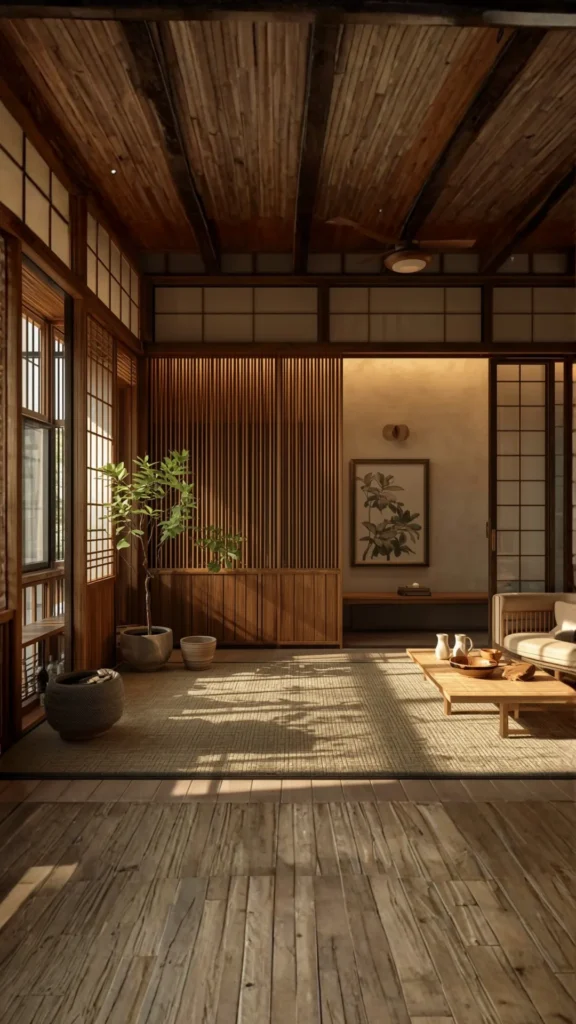
Understanding the principles behind Japandi style is more useful than following any specific rule list. Once you understand what the style is trying to achieve, every design decision becomes clearer and more intuitive.
Wabi-sabi is perhaps the most important concept to absorb. It’s the Japanese acceptance of imperfection, the idea that a handmade ceramic bowl is more beautiful for its slight irregularities, that a worn wooden floor tells a richer story than a perfect one. In a Japandi home, nothing needs to be flawless. It just needs to be honest and intentional.
Functionality is equally central. Every item in a Japandi space should earn its place. If something doesn’t serve a purpose, practical or genuinely aesthetic, it doesn’t belong. This is where the Scandinavian influence is strongest, that deeply pragmatic approach to design that asks “does this actually make life better?”
Natural materials tie everything together. Wood, stone, linen, ceramic, bamboo, and wool are the backbone of Japandi design. These materials age beautifully, feel wonderful to touch, and connect the interior to the natural world outside.
Japandi Colour Palette, Getting It Right

The Japandi color palette is built on restraint and warmth. It sits somewhere between the cooler Scandinavian whites and the richer earthy tones of Japanese interiors, and getting it right makes an enormous difference to how authentic the result feels.
Your base should always be warm, warm white, soft oat, or pale sand rather than stark brilliant white. These tones feel grounded and welcoming rather than clinical. From there, introduce deeper natural accents, warm charcoal, soft black, muted terracotta, or deep forest tones used very sparingly as contrast.
Wood tones do a significant portion of the color work in a Japandi space, the honey of oak, the richness of walnut, or the lightness of ash all carry enormous visual warmth without the space feeling busy. The goal is a palette that could exist in nature, nothing jarring, nothing synthetic-feeling, nothing that demands attention for the wrong reasons.
Japandi Furniture, What to Look For
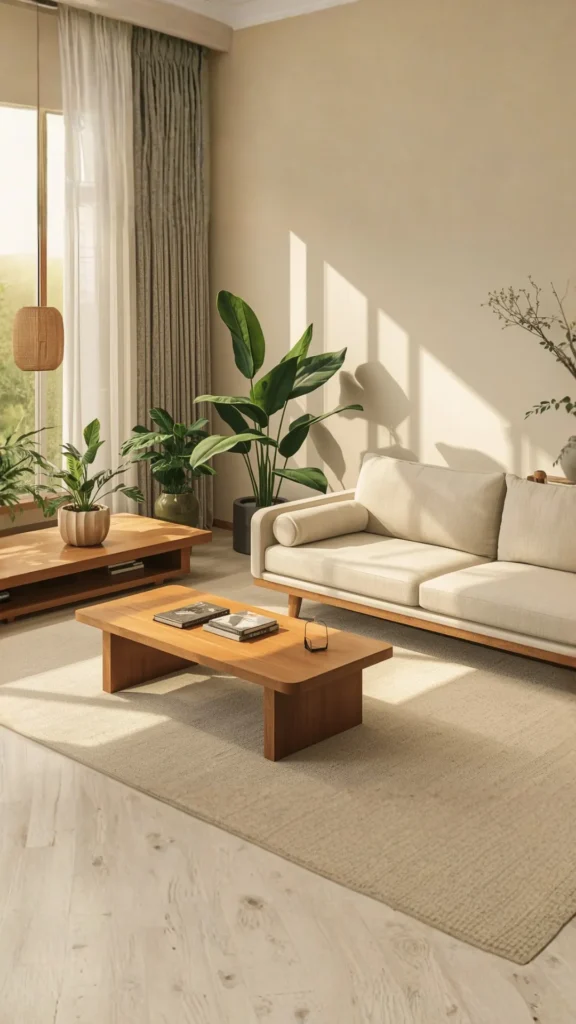
Choosing the right furniture is where many Japandi attempts go slightly wrong, and it’s almost always because pieces are either too ornate or too cold and industrial. The sweet spot is furniture that feels handcrafted, warm, and quietly beautiful.
Look for low-profile pieces with clean lines and visible wood construction. A low platform bed in natural oak, a simple solid wood coffee table with slightly tapered legs, or a linen sofa with a structured but unfussy silhouette, these are the kinds of pieces that work effortlessly in a Japandi style home.
Avoid anything with excessive detailing, chrome or silver metal finishes, or overly glossy surfaces. Japandi furniture should feel like it was made by hand from honest materials, because ideally, it was. Bouclé sofas with soft curved forms sit beautifully within the Japandi aesthetic, adding a warmth and texture that pure minimalism sometimes lacks.
For living room furniture inspiration that complements Japandi style perfectly, take a look at our Bouclé Sofa Living Room Ideas
Japandi Living Room Ideas
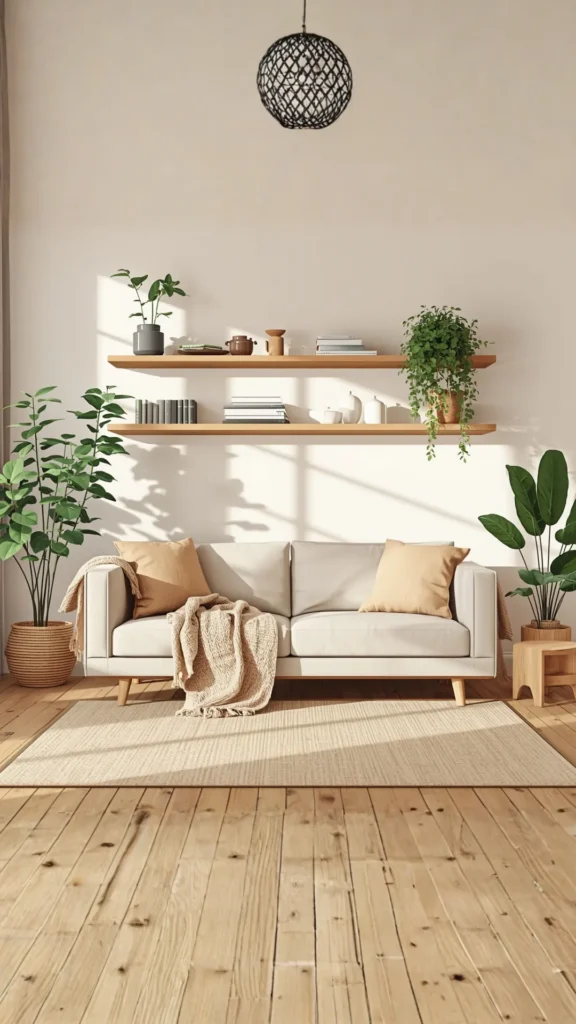
The Japandi living room is where the aesthetic really finds its full expression. It should feel like the calmest room in your home, a genuine retreat rather than a showroom.
Start with a neutral foundation, warm white walls, natural wood flooring or a warm-toned rug underfoot. Choose a sofa in linen, bouclé, or cotton in a warm neutral tone and resist the temptation to pile it with cushions. Two or three carefully chosen cushions in complementary textures is all you need.
A low wood coffee table, a simple ceramic vase with a single stem or dried grasses, and one beautifully styled bookshelf complete the picture. Lighting should be layered, a warm floor lamp, a small table lamp, and candles in the evening. The goal is a room that feels equally beautiful in daylight and by candlelight.
Japandi Bedroom Ideas
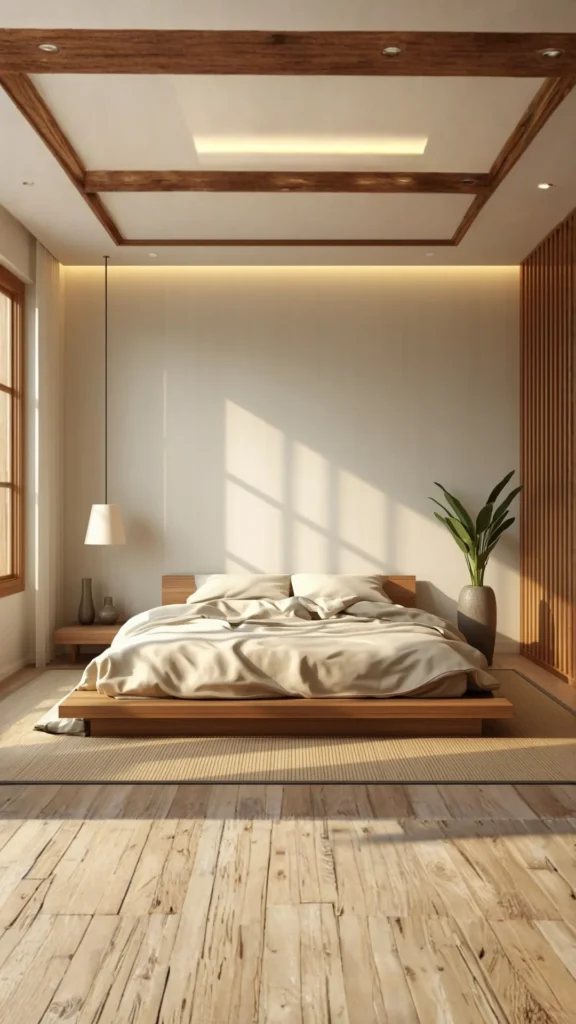
A Japandi bedroom should feel like the most restful place on earth, and when done right, it genuinely does. The low platform bed is central to the look, keeping the room visually grounded and creating that distinctly Japanese feeling of calm closeness to the floor.
Bedding in warm white or oat linen keeps things simple and beautiful. Resist the urge to add decorative cushions, in a Japandi bedroom, the bedding itself is the styling. A single plant, one ceramic lamp on a natural wood bedside table, and sheer linen curtains that let morning light filter through softly complete the space.
Keep surfaces completely clear. In a Japandi bedroom, what you leave out is just as important as what you put in.
Japandi Kitchen and Dining Ideas

The Japandi kitchen applies the same principles as the rest of the home, natural materials, warm neutrals, and a fierce commitment to keeping surfaces clear and uncluttered. Pale oak or walnut handleless cabinets, a warm stone or concrete countertop, and warm LED lighting create the perfect foundation.
In the dining area, a solid wood table with simple chairs in natural materials carries the aesthetic beautifully. Resist the temptation for a large centrepiece, a single ceramic vase with dried stems, or a small wooden bowl of fruit is genuinely all the styling a Japandi dining table needs.
For a deeper dive into the Japandi kitchen aesthetic, check out our Earthy Kitchen Ideas 2026
Japandi vs Organic Modern, Key Differences
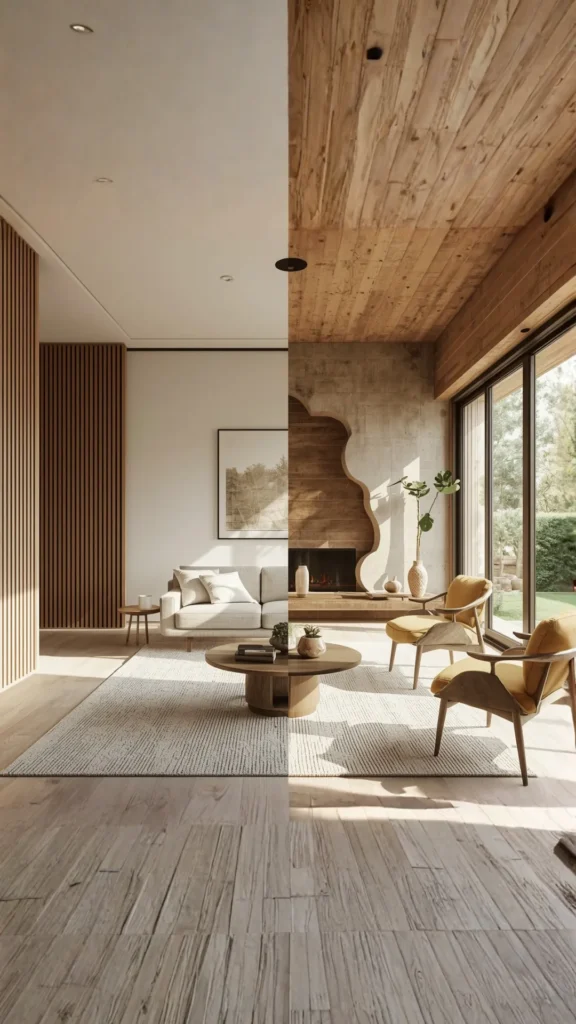
One of the most common questions in this Japandi style guide territory is how it differs from organic modern design, particularly since both styles share a love of natural materials and warm neutrals. The honest answer is that they sit on the same spectrum, but at different points.
Japandi is more restrained. The palette is cooler, the forms are cleaner and more linear, and the overall feeling is closer to meditation than celebration. Organic modern runs warmer and more expressive, richer earthy tones, more abundant plants, curves and sculptural forms that bring energy and movement to a space.
The simplest way to think about it: if a Japandi room feels like a deep breath out, an organic modern room feels like a warm embrace. Both are beautiful, they just feel slightly different to live in. Many of the most interesting interiors in 2026 borrow thoughtfully from both.
Common Japandi Mistakes to Avoid
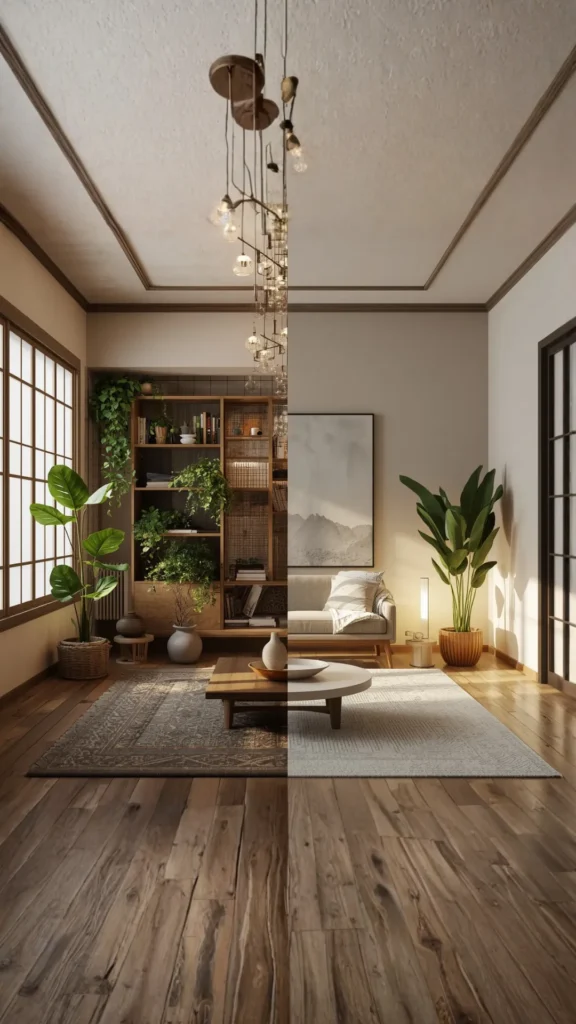
Even with the best intentions, there are a few consistent mistakes that pull a Japandi styled space off-track:
Going too cold: The most common error is swinging too far into stark minimalism, cool grey walls, cold white surfaces, and no warmth anywhere. Japandi should always feel warm, even at its most minimal. Warm white, not cool white. Honey oak, not bleached ash.
Over-decluttering: There’s a difference between intentional simplicity and a space that feels empty and unlived-in. A few genuinely beautiful objects are not clutter, they’re the soul of the space. Don’t strip out everything that makes a home feel human.
Ignoring texture: Texture is what stops a minimal space from feeling flat and cold. Linen, bouclé, rough ceramic, smooth stone, and rough-grain wood all add depth and tactile warmth that paint and clean lines alone never can.
Cheap materials: Japandi is particularly unforgiving of poor materials, because the style strips everything back, quality becomes immediately visible. One genuinely beautiful piece always outperforms five mediocre ones.
How to Start Your Japandi Home Journey
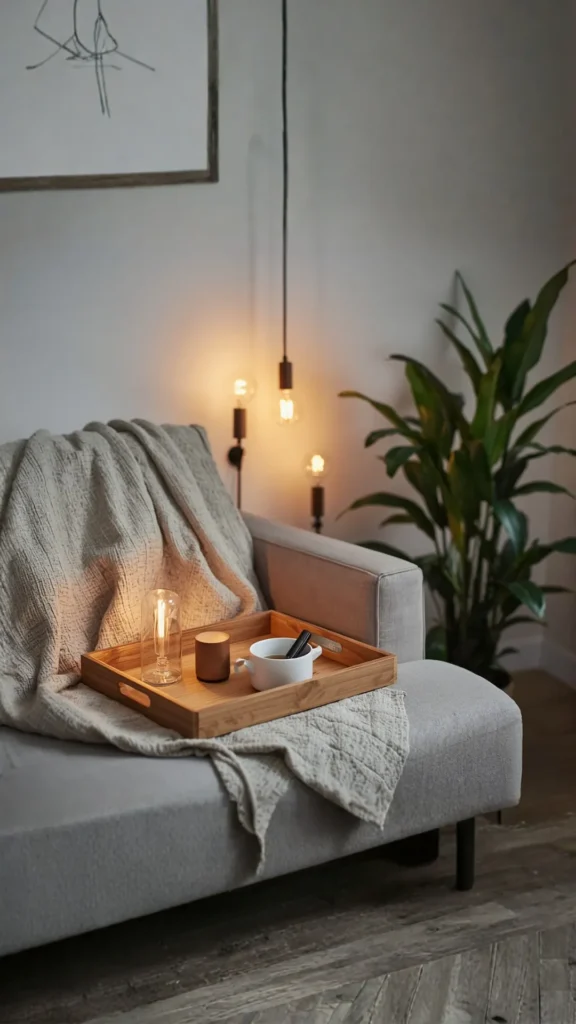
The best approach to starting a Japandi style home is gradual and intentional, the opposite of a panic-buy shopping spree. Begin by editing rather than adding. Walk through each room and identify anything that feels out of place, unnecessary, or purely decorative without any real meaning or beauty. Remove those things first.
Then swap your bulbs to warm white throughout, it’s a five-minute change that immediately makes any space feel more Japandi-appropriate. Add a linen throw to your sofa, a wooden tray to your coffee table, and a single plant in a simple ceramic pot. These small changes shift the energy of a room more than almost any furniture purchase.
From there, invest slowly and deliberately. One piece of beautiful handmade ceramic, one well-crafted wooden side table, one genuinely luxurious linen duvet cover. Japandi style rewards patience and considered choices far more than rapid renovation.
15 More Japandi Styling Ideas to Steal
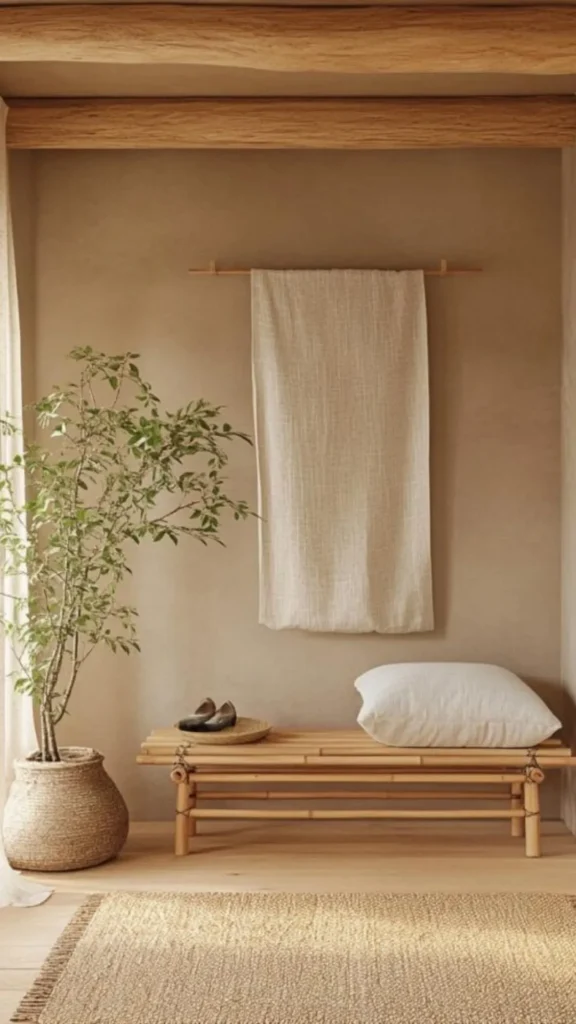
Once the main rooms of a home feel settled, it’s the smaller, easily overlooked corners that reveal whether a Japandi home is genuinely lived by its principles or simply decorated to resemble them. These fifteen additional ideas cover exactly those corners.
1. The Genkan Inspired Entryway
Borrowed directly from Japanese homes, a genkan is a small sunken or level-change entry where shoes come off before the rest of the house begins. A low wood bench, a woven basket for slippers, and one ceramic dish for keys turn an ordinary entryway into the first calm moment of coming home.
Pinterest keywords: Japandi Entryway Ideas · Japanese Genkan Style · Calm Entryway Decor
2. A Japandi Home Office Corner
A workspace built on Japandi principles keeps the desk almost completely clear, using a single lamp, one plant, and a hidden cable management box beneath the surface. The result is a corner that invites focus rather than visual fatigue.
Pinterest keywords: Japandi Home Office Ideas · Minimalist Desk Setup · Warm Wood Workspace
3. Noren Curtains as Soft Room Dividers
A noren, a traditional fabric panel hung in a doorway, softens the transition between rooms without the visual weight of a solid door. In linen or hemp, it adds gentle texture and movement to an otherwise still space.
Pinterest keywords: Noren Curtain Interior · Japandi Room Divider · Linen Doorway Curtain
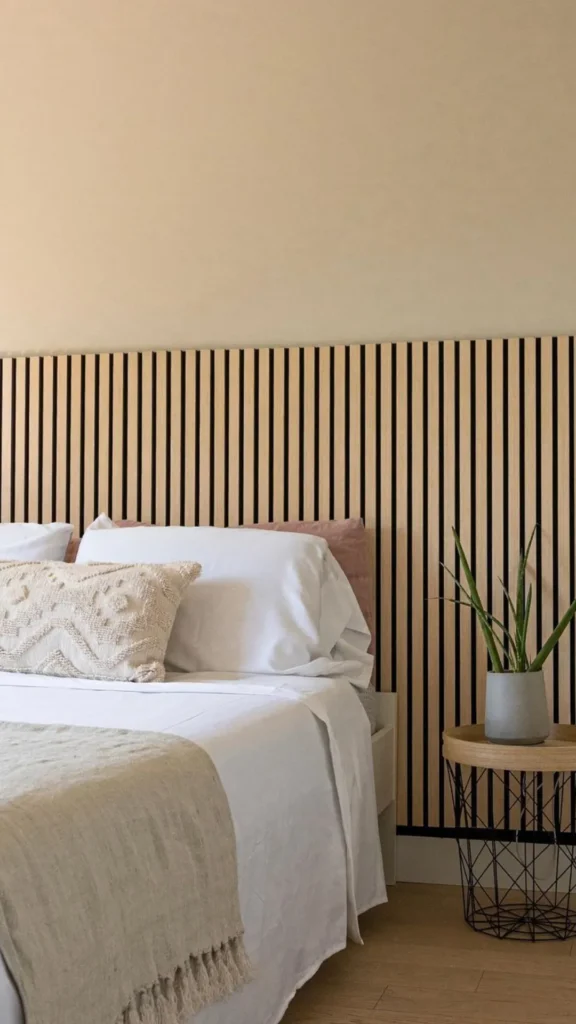
4. A Vertical Wood Slat Feature Wall
Slim, evenly spaced wood slats mounted behind a bed or sofa add architectural texture without a single extra accessory. The rhythm of the slats catches light beautifully throughout the day, changing subtly from morning to evening.
Pinterest keywords: Wood Slat Wall Bedroom · Japandi Feature Wall · Warm Wood Accent Wall
5. A Considered Ceramics Display Shelf
Rather than storing handmade bowls and cups inside a cabinet, a single narrow floating shelf lets a small collection of ceramics be seen and appreciated daily. Choose pieces with visible glaze variation or slight asymmetry to keep the wabi-sabi spirit intact.
Pinterest keywords: Ceramics Display Shelf · Wabi Sabi Pottery Display · Japandi Kitchen Styling
6. Ikebana Style Flower Arranging
Unlike a full, abundant western bouquet, ikebana favours a few carefully chosen stems arranged with deliberate negative space. One branch, one bloom, and one low ceramic vessel says more than a dozen flowers ever could.
Pinterest keywords: Ikebana Flower Arranging · Japandi Table Styling · Minimalist Floral Decor
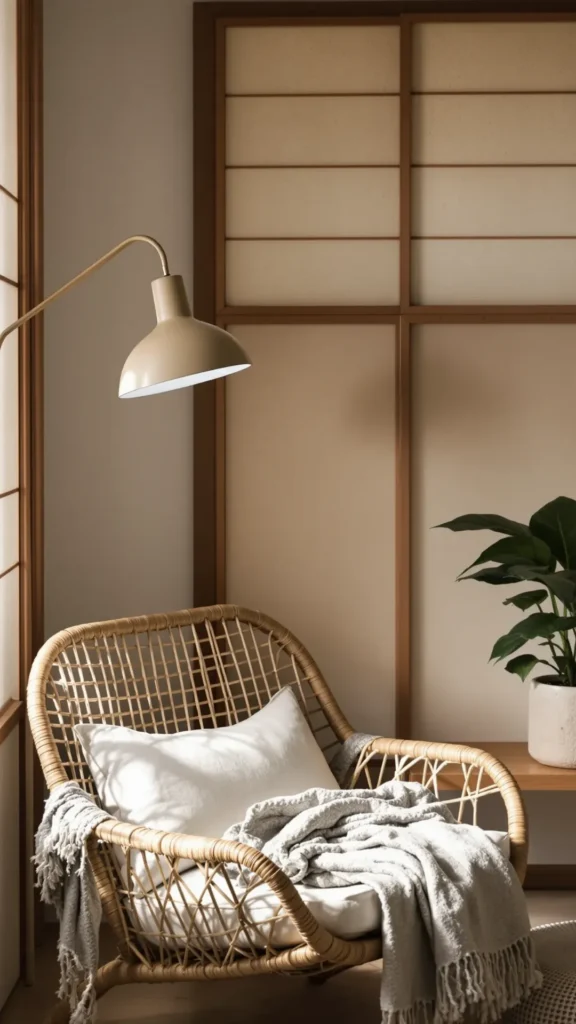
7. The Japandi Reading Nook
A single curved chair positioned near natural light, paired with a warm floor lamp and a folded wool throw, creates one of the most quietly satisfying corners a home can offer. For more on choosing curved seating that pairs beautifully with this look, see our guide on How to Style a Curved Sofa (internal link to Article 9).
Pinterest keywords: Japandi Reading Nook · Curved Chair Living Room · Cozy Reading Corner
8. Layered Natural Fiber Rugs
Placing a smaller jute or sisal rug on top of a larger wool rug adds textural depth underfoot without introducing pattern or colour. This layering technique is a favourite among Japandi designers for adding warmth without visual noise.
Pinterest keywords: Layered Natural Rugs · Japandi Flooring Ideas · Jute Wool Rug Layering
9. A Matcha and Tea Ritual Corner
A small tray holding a ceramic teapot, two cups, and a bamboo whisk, kept permanently set on a kitchen counter or sideboard, turns a daily ritual into a piece of intentional styling in its own right.
Pinterest keywords: Japandi Tea Corner · Matcha Ritual Styling · Kitchen Counter Vignette
10. Japandi Hallway Styling
Hallways are frequently neglected, yet a single runner in warm oat tones, one piece of framed art, and a warm wall sconce can turn a transitional space into a genuinely considered part of the home.
Pinterest keywords: Japandi Hallway Ideas · Warm Runner Rug · Hallway Wall Sconce
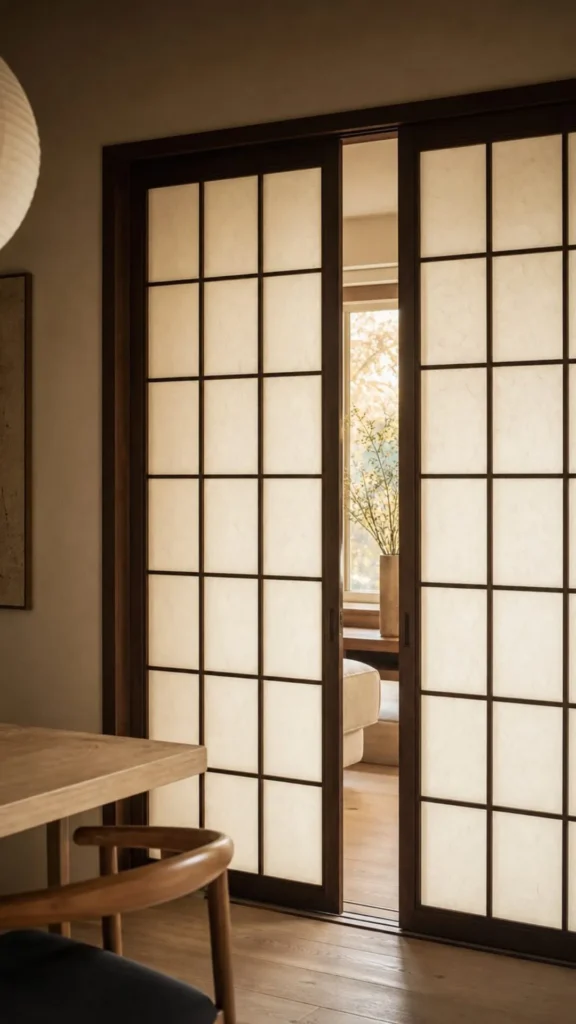
11. Sliding Shoji Inspired Doors
Modern interpretations of shoji screens, using frosted glass or woven panels within a slim wood frame, filter light beautifully between rooms while preserving privacy. They’re particularly effective for separating a home office from a living space.
Pinterest keywords: Shoji Screen Doors · Sliding Door Room Divider · Japandi Interior Doors
12. Japandi Balcony and Outdoor Styling
Even a small balcony benefits from the same principles as the interior: one low wood bench, a single trailing plant, and a woven outdoor mat. Restraint outdoors creates the same sense of calm as it does inside.
Pinterest keywords: Japandi Balcony Ideas · Small Outdoor Styling · Japandi Patio Decor
13. A Considered Textile Rotation
Rather than accumulating cushions and throws over time, choose two or three seasonal textile swaps a year, a heavier wool for winter, a lighter linen for summer, keeping the palette consistent while the texture shifts.
Pinterest keywords: Seasonal Textile Swap · Japandi Cushion Styling · Linen Wool Throw Rotation
14. Japandi Kids’ Room Ideas
A low platform bed sized for a child, a single wood toy shelf, and soft, washable linen bedding bring the same calm principles into a children’s space, proving that Japandi can be genuinely practical for family life too.
Pinterest keywords: Japandi Kids Room · Calm Children’s Bedroom · Low Platform Kids Bed
15. Seasonal Japandi Styling Changes
Rather than a full seasonal redecoration, Japandi homes shift subtly, a different dried branch in the vase, a heavier wool throw in winter, one seasonal candle scent, keeping the bones of the room exactly the same year round.
Pinterest keywords: Seasonal Japandi Decor · Minimalist Seasonal Styling · Japandi Home Refresh
Final Thoughts
A Japandi style guide ultimately comes down to this, design your home to feel the way you want to feel when you’re in it. Calm. Grounded. Warm. Genuinely at rest.
That’s the promise of Japandi, and when you get it right, it delivers completely. Start small, choose natural materials, keep surfaces honest, and let the beauty of simplicity do what no amount of decoration ever can. 🌿


