


One of the most common sources of frustration in interior design is the feeling of having beautiful reference images saved on Pinterest but no clarity about what connects them or how to translate them into a cohesive home. The answer to that frustration almost always lies in understanding interior design styles, the underlying aesthetic philosophies that give a room its coherence and character.
Understanding the major interior design styles explained in this guide won’t restrict your creativity, it will liberate it. Once you understand what each style is actually about at a philosophical level, rather than just a visual one, making decisions becomes significantly easier and the results significantly more cohesive. Here’s your complete guide to the major styles of 2026. 🌿
Why Knowing Your Design Style Changes Everything
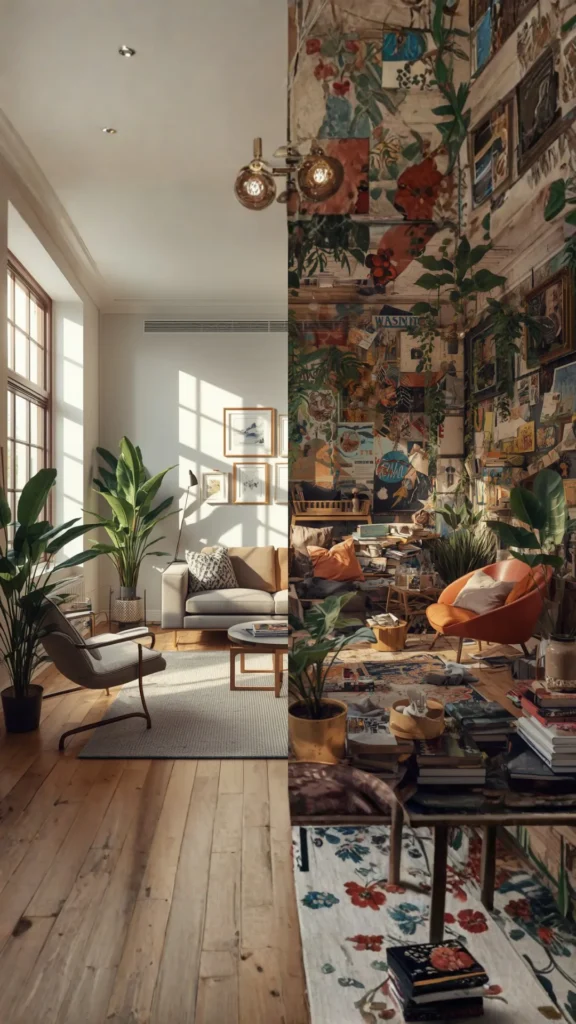
Most people approach interior design by collecting individual images they find beautiful and then trying to recreate them, without necessarily understanding what makes each image beautiful or whether the different images they’ve collected are actually pointing toward the same underlying aesthetic.
Understanding interior design styles shifts this process from reactive to intentional. Instead of asking “does this sofa look nice?” you begin asking “does this sofa fit the aesthetic language I’m building?”, and that shift produces rooms that are cohesive, considered, and genuinely personal rather than simply pretty in individual moments.
According to Dezeen, the ability to identify and articulate personal design preferences has become one of the most frequently discussed topics in interior design circles heading into 2026, reflecting a broader cultural shift toward more intentional and considered approaches to home design.
1. Organic Modern

Organic modern is the defining interior design style of 2026, a philosophy built on the marriage of clean contemporary lines with the warmth, texture, and natural beauty of organic materials and forms. Think curved sofas, natural stone surfaces, warm oak furniture, linen upholstery, abundant plants, and a color palette drawn directly from the earth.
The “modern” half keeps it uncluttered and intentional; the “organic” half prevents it from feeling cold or sterile. The result is a style that looks expensive without feeling intimidating, and feels genuinely warm without becoming chaotic.
Best for: Anyone who loves natural materials, curved furniture, and a home that feels simultaneously beautiful and completely liveable.
Key pieces: Bouclé sofa, travertine coffee table, organic wood shelving, linen textiles, large indoor plants.
Pinterest keywords: Organic Modern Interior Design · Interior Design Styles Explained · Organic Modern Home
2. Japandi
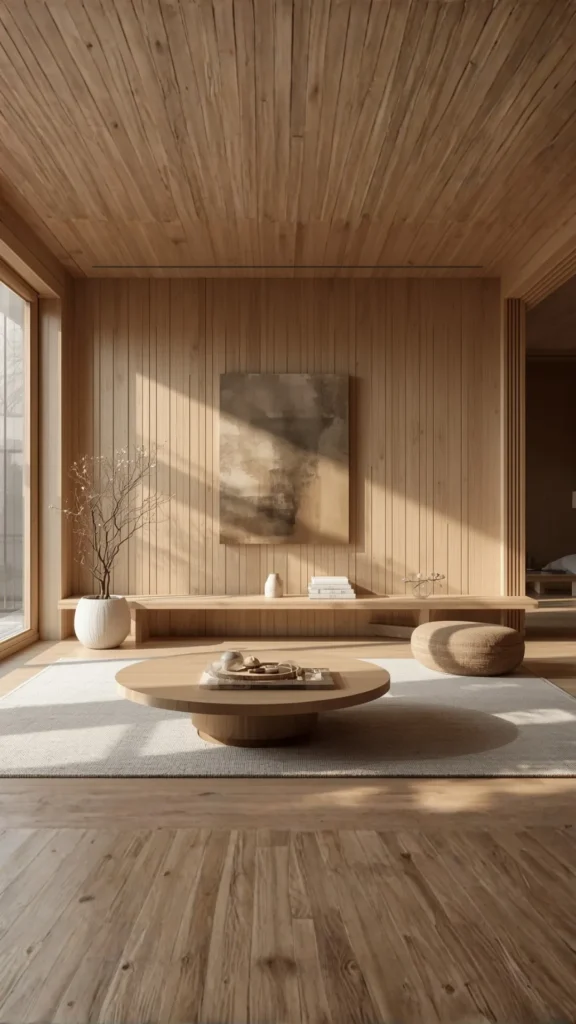
Japandi blends the warmth and craftsmanship of Japanese interiors with the functional simplicity of Scandinavian design. The result is one of the most restrained and serene aesthetics in contemporary design, warm natural materials, a muted neutral palette, and a fierce commitment to intentionality where every item earns its place.
Japandi sits at the cooler, more disciplined end of the natural material spectrum compared to organic modern, the palette is slightly more muted, the forms slightly more linear, the overall feeling one of meditation rather than warmth.
Best for: Those who want a genuinely peaceful home, calm, considered, and free of visual noise.
Key pieces: Low platform beds, handmade ceramics, warm oak or walnut furniture, linen bedding, simple pendant lights.
For a complete Japandi deep dive, visit our Japandi Style Guide.
Pinterest keywords: Japandi Interior Design · Interior Design Styles Explained · Japandi Style
3. Warm Minimalism
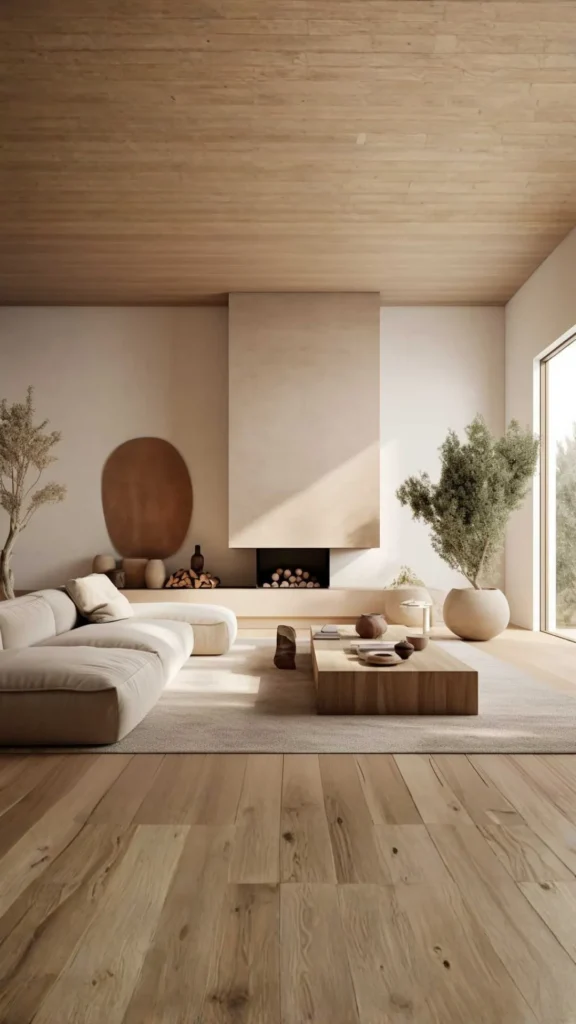
Warm minimalism takes the reductive principles of classic minimalism, fewer pieces, clearer surfaces, no unnecessary decoration, and applies them with a warm rather than cool palette. Where cool minimalism can feel clinical and empty, warm minimalism feels calm and refined, a quiet luxury that rewards attention without demanding it.
The distinction from Japandi is subtle but real: warm minimalism is less philosophically rooted in specific cultural traditions and more broadly applicable across different material and colour palettes, as long as warmth and restraint both remain present.
Best for: Anyone who finds clutter stressful but wants their minimal space to feel genuinely inviting rather than austere.
Key pieces: One statement sofa in cream or oat, a single stone coffee table, warm neutral walls, one large plant, warm layered lighting.
Pinterest keywords: Warm Minimalist Interior · Interior Design Styles Explained · Quiet Luxury Home
4. Mid-Century Modern
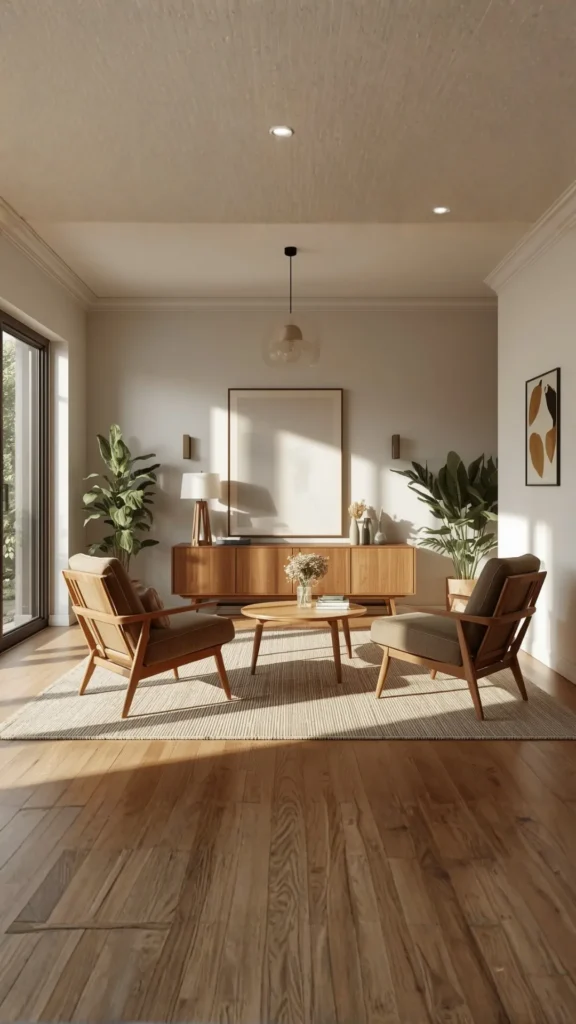
Mid-century modern emerged from the design explosion of the late 1940s and 1950s, a period characterized by optimism, new materials, and a belief that beautiful design should be accessible to everyone. Its defining characteristics are clean lines, warm wood tones, tapered legs, and an embrace of organic forms that feels remarkably contemporary even decades after the style’s origin.
Mid-century modern remains one of the most timeless and broadly appealing design vocabularies available, precisely because its core principles of quality, craftsmanship, and organic warmth transcend any specific trend cycle.
Best for: Those who love warm wood furniture, clean silhouettes, and pieces with genuine design heritage.
Key pieces: Walnut or teak furniture with tapered legs, wishbone chairs, Eames-adjacent seating, sunburst mirrors, arc floor lamps.
Pinterest keywords: Mid Century Modern Interior · Interior Design Styles Explained · MCM Home Design
5. Maximalist
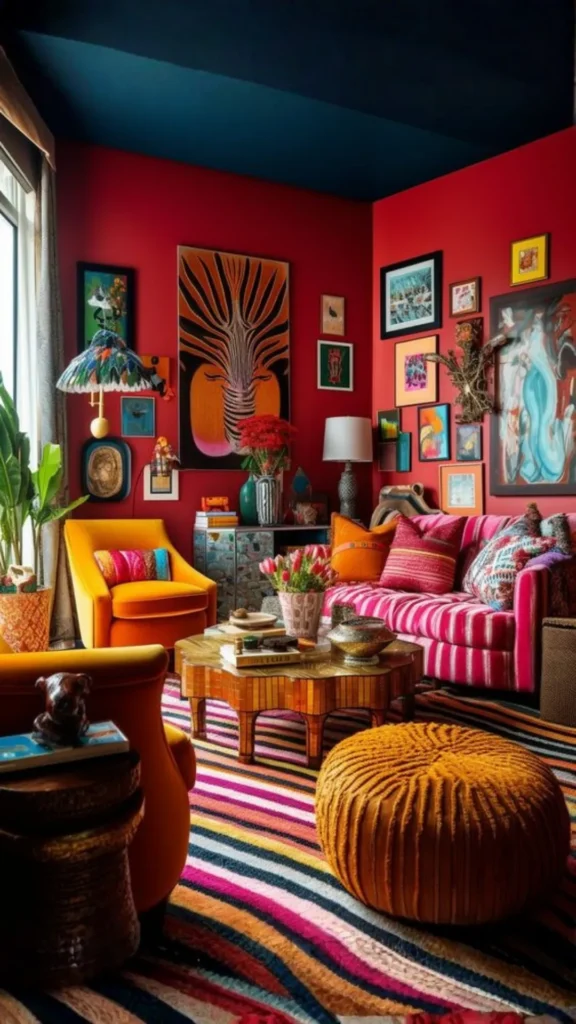
Maximalist design operates on the principle that more can be more, when every additional element is genuinely beautiful and part of a coherent visual language. Gallery walls, layered textiles, bold color, curated collections, abundant plants, and pattern mixing all characterize the maximalist interior at its best.
The distinction between maximalism that works and maximalism that doesn’t is curation, the maximalist home is a collection, not an accumulation, and the quality of what’s chosen matters enormously to the success of the whole.
Best for: Collectors, personalities who express themselves through objects, and anyone who finds minimal spaces emotionally flat.
Key pieces: Floor-to-ceiling gallery walls, layered rugs, mixed pattern cushions, abundant plants, bold wallpaper, curated shelves.
Pinterest keywords: Maximalist Interior Design · Interior Design Styles Explained · Eclectic Maximalist Home
6. Bohemian / Boho

Bohemian or boho design celebrates the eclectic, the handmade, the well-travelled, and the beautifully imperfect. Rattan, macramé, woven textiles, trailing plants, vintage finds, and warm earthy colours all contribute to an aesthetic that feels lived-in, personal, and deeply warm.
Boho sits closer to maximalism than minimalism, it embraces layer and abundance, but its character is more organic and less formal than full maximalism. The boho home feels like it evolved naturally rather than being deliberately designed.
Best for: Those who love natural textures, global influences, handmade objects, and a relaxed approach to rules.
Key pieces: Rattan furniture and lighting, macramé wall hangings, layered rugs, trailing plants, mixed ceramic vessels, woven throws.
Pinterest keywords: Boho Interior Design · Interior Design Styles Explained · Bohemian Home Decor
7. Coastal

Coastal design takes its cues from the light, air, and natural materials of seaside environments, bleached wood, linen and cotton in light natural tones, ocean-adjacent blues and greens, natural stone, and an abundance of light and airiness. It feels relaxed and unpretentious, connected to nature in a very specific way.
The 2026 iteration of coastal design has moved away from the overtly nautical (anchors, rope, and navy-and-white stripes) toward something more refined and genuinely nature-connected, warm wood, natural linen, earthy stone, and a palette of warm whites, sandy neutrals, and soft sage and ocean tones.
Best for: Those who want their home to feel like a permanent holiday, light, airy, and relaxed.
Key pieces: Bleached or whitewashed wood, linen upholstery, stone and shell accessories, rattan lighting, light natural rugs.
Pinterest keywords: Coastal Interior Design · Interior Design Styles Explained · Modern Coastal Home
8. Farmhouse and Rustic

Farmhouse and rustic design celebrates the honest warmth of traditional rural interiors, exposed wood beams, wide plank flooring, handmade ceramics, linen and cotton textiles, open shelving, and a palette of warm whites, cream, and natural wood tones. It feels unpretentious, functional, and deeply comfortable.
The contemporary version of farmhouse style, sometimes called “refined farmhouse” or “modern rustic”, retains the warmth and natural materials of the traditional aesthetic while losing the overly literal barn doors and shiplap that became associated with the trend in the early 2020s.
Best for: Those who love the warmth and character of natural, imperfect materials and a home that feels genuinely lived-in.
Key pieces: Exposed wood beams, wide plank flooring, farmhouse sink, open wood shelving, handmade ceramics, linen textiles.
Pinterest keywords: Farmhouse Interior Design · Interior Design Styles Explained · Modern Rustic Home
9. Contemporary

Contemporary design refers simply to what is current, the design sensibilities of this specific moment in time. In 2026, contemporary design is largely synonymous with organic modern, curved furniture, natural materials, warm neutrals, and a considered approach to decoration.
The distinction is that contemporary design is not tied to a specific aesthetic philosophy in the way that Japandi or organic modern are, it simply describes what the best designers and most aspirational interiors look like right now. What is contemporary in 2026 will look different from what was contemporary in 2016.
Best for: Those who want their home to feel current and up-to-date without commitment to a specific aesthetic philosophy.
Key pieces: Whatever is defining this specific moment, in 2026, curved furniture, natural stone, bouclé upholstery, and warm organic forms.
Pinterest keywords: Contemporary Interior Design · Interior Design Styles Explained · Modern Home Design 2026
10. Industrial
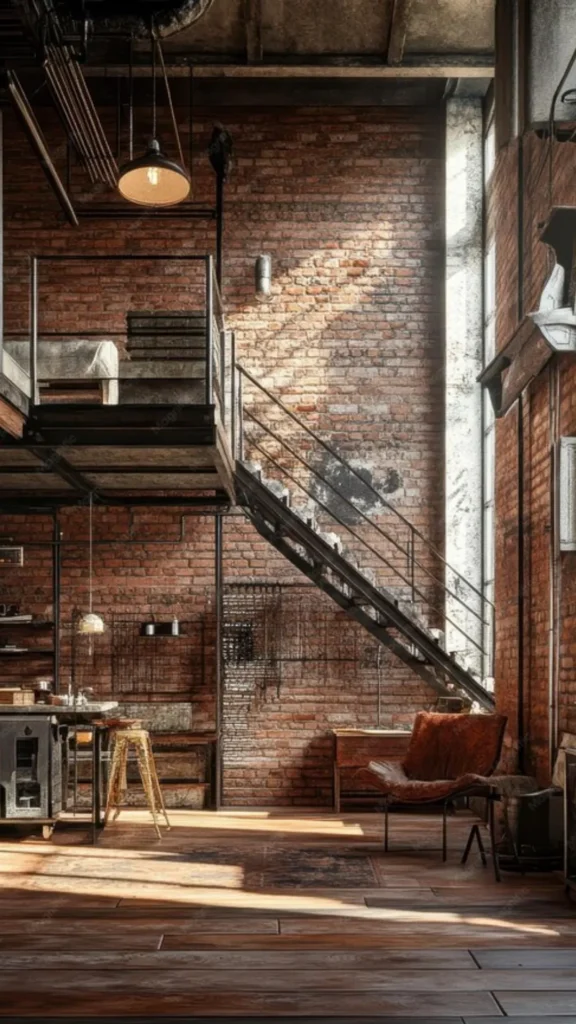
Industrial design draws its character directly from converted warehouses and factories, exposed brick, black metal window frames, concrete flooring, and visible ductwork all celebrated as architecture rather than concealed behind finished surfaces.
The 2026 version of industrial style has softened considerably from its rawest early iterations, now typically paired with warm wood furniture and leather seating to prevent the aesthetic from feeling cold or unfinished.
Best for: Those drawn to raw, honest materials and a loft-like sense of scale and openness.
Key pieces: Black metal shelving, leather sofas, exposed Edison bulb fixtures, reclaimed wood tables, concrete or polished floors.
Pinterest keywords: Interior Design Styles Explained · Industrial Interior Design · Loft Style Home Decor
11. Scandinavian
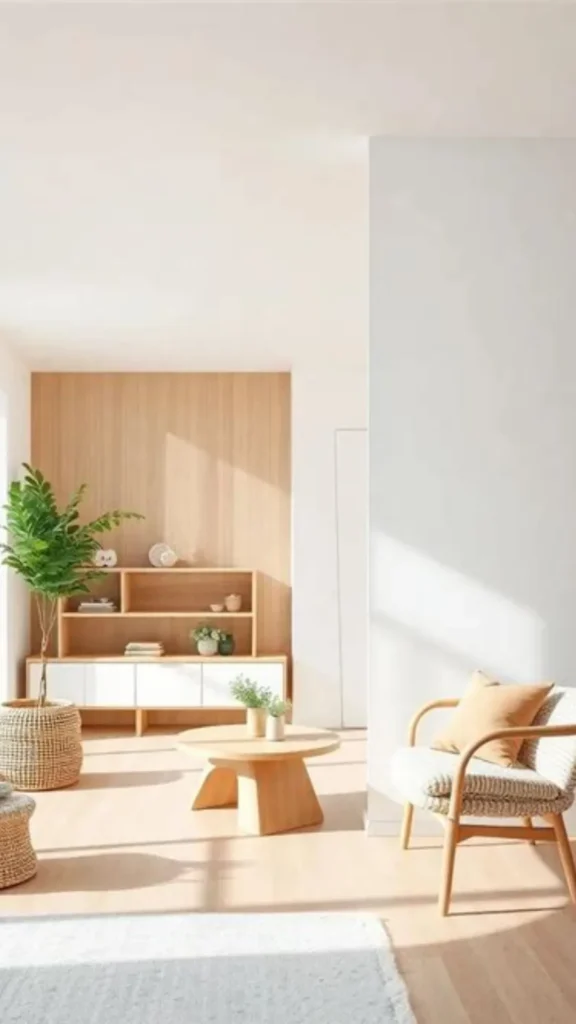
Classic Scandinavian design predates and differs from Japandi in its emphasis on cool, pale wood tones, crisp white walls, and a strictly functional approach to furniture, prioritizing practicality and clean form over the warmer, more organic textures found in its Japandi offshoot.
The style remains beloved for its clarity and light-filled simplicity, particularly effective in smaller spaces or homes with limited natural light, where the pale, reflective palette maximizes brightness throughout the day.
Best for: Those who want genuine simplicity and brightness without the warmer, earthier tones of organic modern or Japandi.
Key pieces: Pale ash or birch furniture, white walls, simple wool textiles, functional storage, minimal ornamentation.
Pinterest keywords: Interior Design Styles Explained · Scandinavian Interior Design · Nordic Home Style
12. Art Deco
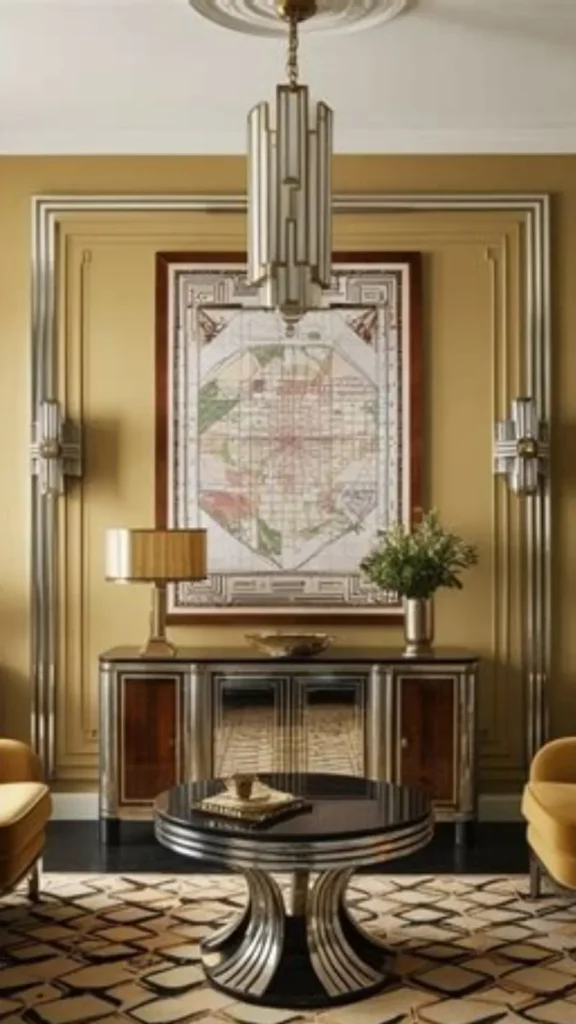
Art Deco draws on the bold geometry, luxurious materials, and confident glamour of the 1920s and 1930s, sunburst patterns, fluted brass detailing, deep jewel-toned velvet, and a sense of theatrical occasion running through every considered choice.
This style rewards genuine commitment and confidence, working best when its signature geometric motifs and rich materials are carried consistently through lighting, furniture, and finishes rather than applied as isolated accents.
Best for: Those who love drama, symmetry, and a sense of glamorous occasion in their interiors.
Key pieces: Fluted furniture, brass and chrome fixtures, geometric mirrors, velvet upholstery in jewel tones, sculptural lighting.
Pinterest keywords: Interior Design Styles Explained · Art Deco Interior Design · Glam Home Decor
13. Traditional and Classic
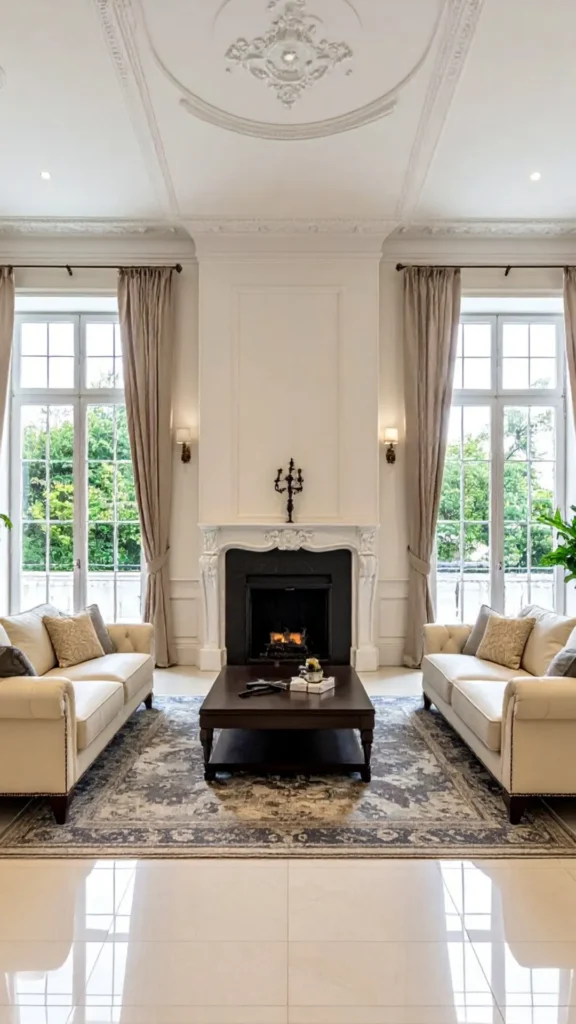
Traditional design draws on centuries of established European decorating conventions, symmetrical furniture arrangements, refined moldings, rich wood tones, and formal, considered detailing that prioritizes timelessness over trend responsiveness.
This style suits homes with genuine architectural period detail particularly well, its formal proportions and material choices designed to complement rather than compete with existing cornicing, paneling, and traditional room layouts.
Best for: Those who value formality, established convention, and a sense of enduring, generational permanence.
Key pieces: Wingback chairs, formal drapery, antique or reproduction furniture, rich wood paneling, classic patterned rugs.
Pinterest keywords: Interior Design Styles Explained · Traditional Interior Design · Classic Home Decor
14. Transitional
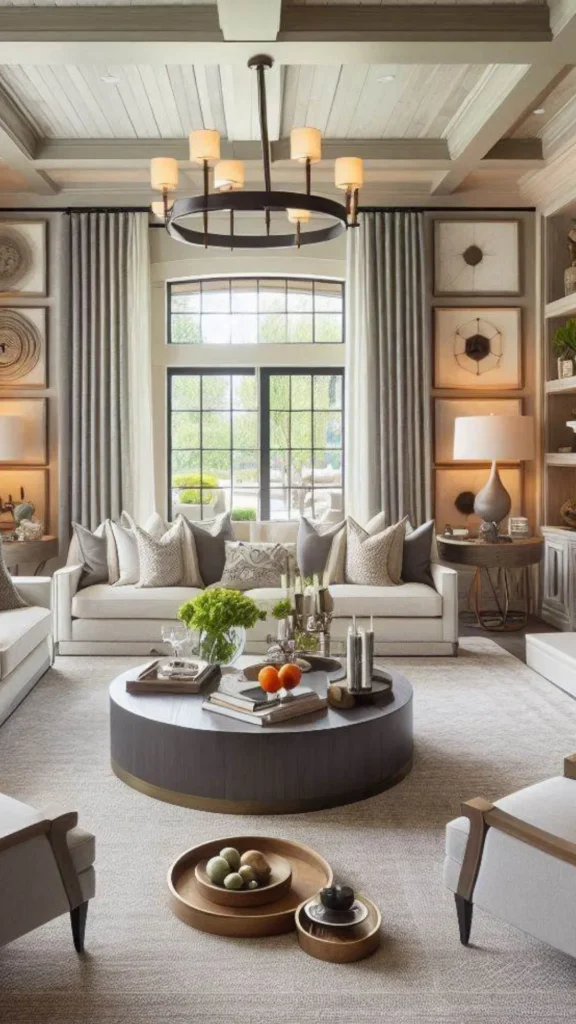
Transitional design deliberately bridges traditional and contemporary sensibilities, keeping classic furniture silhouettes and proportions while updating fabrics, colors, and finishes to feel considerably more current and less formal than pure traditional design.
This middle-ground approach suits homeowners who love the comfort and familiarity of classic forms but want a lighter, more livable overall feeling than a fully traditional room typically delivers.
Best for: Those wanting a comfortable, timeless home without either strict formality or full contemporary minimalism.
Key pieces: Classic silhouette furniture in updated neutral fabrics, simple contemporary lighting, a restrained accessory palette.
Pinterest keywords: Interior Design Styles Explained · Transitional Interior Design · Timeless Home Decor
15. English Country and Cottage
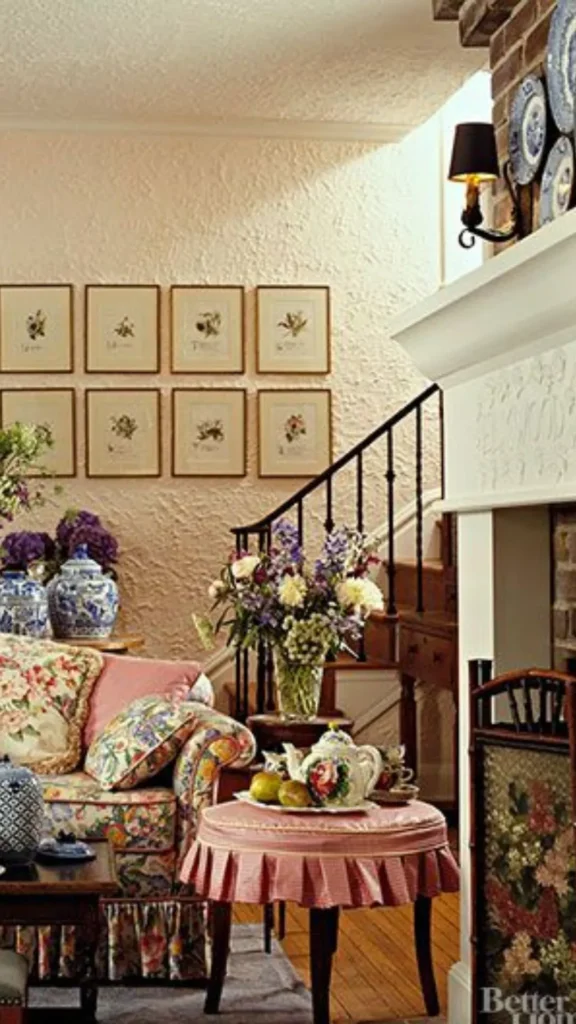
English country and cottage style embraces layered floral chintz, warm wood furniture collected over generations, and a genuinely lived-in, unpretentious warmth that prioritizes comfort and character over strict coordination.
The 2026 revival of this style, often called grandmillennial in its more contemporary form, leans into pattern and color with genuine confidence, proving that traditional florals can feel fresh rather than dated when styled with a lighter, more playful hand.
Best for: Those who love pattern, softness, and a home that feels inherited and collected rather than newly furnished.
Key pieces: Floral chintz upholstery, skirted furniture, vintage china displayed openly, layered patterned textiles.
Pinterest keywords: Interior Design Styles Explained · English Country Interior Design · Cottage Home Decor
16. Hollywood Regency and Glam
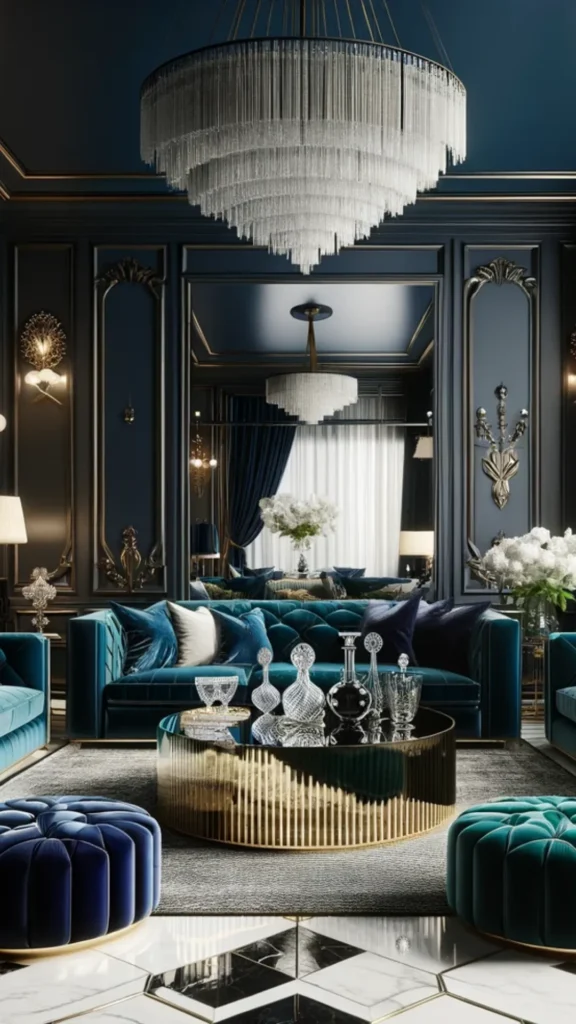
Hollywood Regency style channels the confident glamour of mid-century film-industry interiors, mirrored and lacquered furniture, high-contrast color pairings, and luxurious textures like velvet and silk applied with genuine theatrical confidence.
This aesthetic works particularly well in smaller, more dramatic rooms like a powder room or a bedroom, where its bold reflective surfaces and rich colors can be fully appreciated without overwhelming a larger family living space.
Best for: Those who love drama, high contrast, and a sense of old Hollywood theatricality.
Key pieces: Mirrored furniture, lacquered surfaces, velvet upholstery, bold black and white or jewel-tone pairings.
Pinterest keywords: Interior Design Styles Explained · Hollywood Regency Interior Design · Glam Home Decor
17. Southwestern and Desert Modern
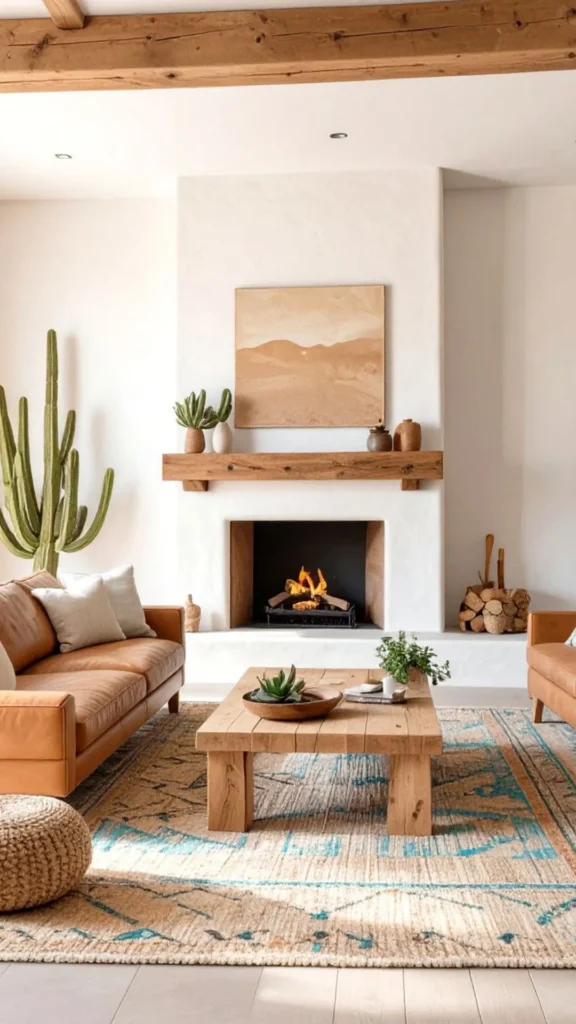
Southwestern and desert modern design draws on the warm terracotta and sand tones, woven textiles, and adobe-inspired curved architectural forms of the American Southwest, creating an interior that feels sun-warmed and deeply connected to arid, natural landscapes.
This aesthetic shares meaningful overlap with organic modern’s earthy palette but leans further into specific woven pattern motifs and curved plaster architectural details rarely found in the broader organic modern category.
Best for: Those drawn to warm desert tones, woven pattern, and softly curved plaster architectural forms.
Key pieces: Terracotta plaster walls, woven wool textiles, curved adobe-style niches, warm leather seating.
Pinterest keywords: Interior Design Styles Explained · Southwestern Interior Design · Desert Modern Home
18. Mediterranean and Tuscan
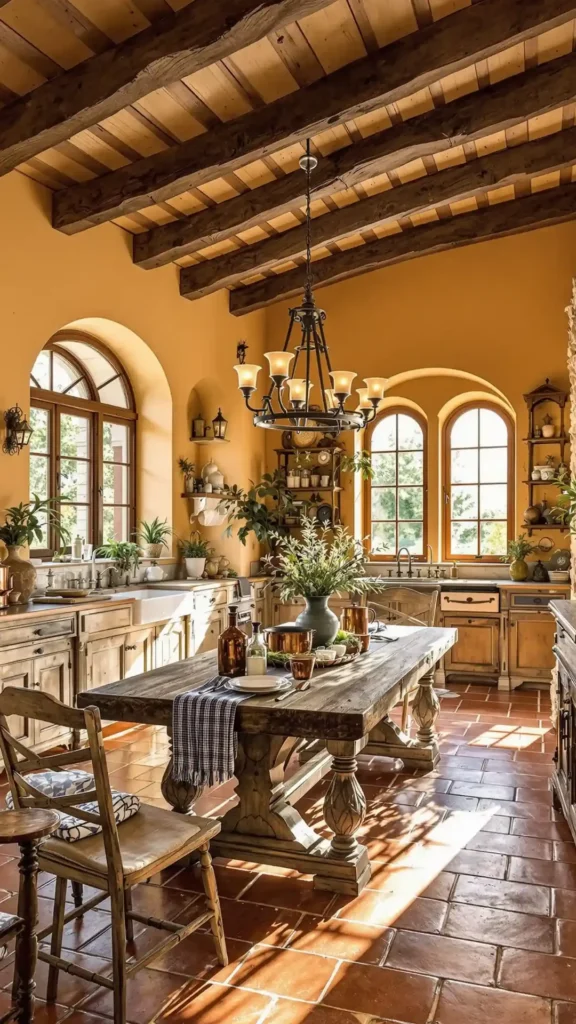
Mediterranean and Tuscan design brings the warm, sun-drenched character of coastal Italy and Southern Europe indoors, terracotta floor tiles, wrought iron fixtures, exposed wood beams, and a warm palette of ochre, olive, and burnt sienna throughout.
This style prioritizes a sense of relaxed, unhurried living, reflected in generously scaled dining spaces, abundant natural materials, and a general warmth that feels equally suited to daily family life and long, leisurely entertaining.
Best for: Those who love warm earthy color, rustic wood beams, and a relaxed, sun-soaked atmosphere.
Key pieces: Terracotta tile flooring, wrought iron light fixtures, exposed wood beams, hand-painted ceramic accents.
Pinterest keywords: Interior Design Styles Explained · Mediterranean Interior Design · Tuscan Home Decor
19. French Country and Provincial
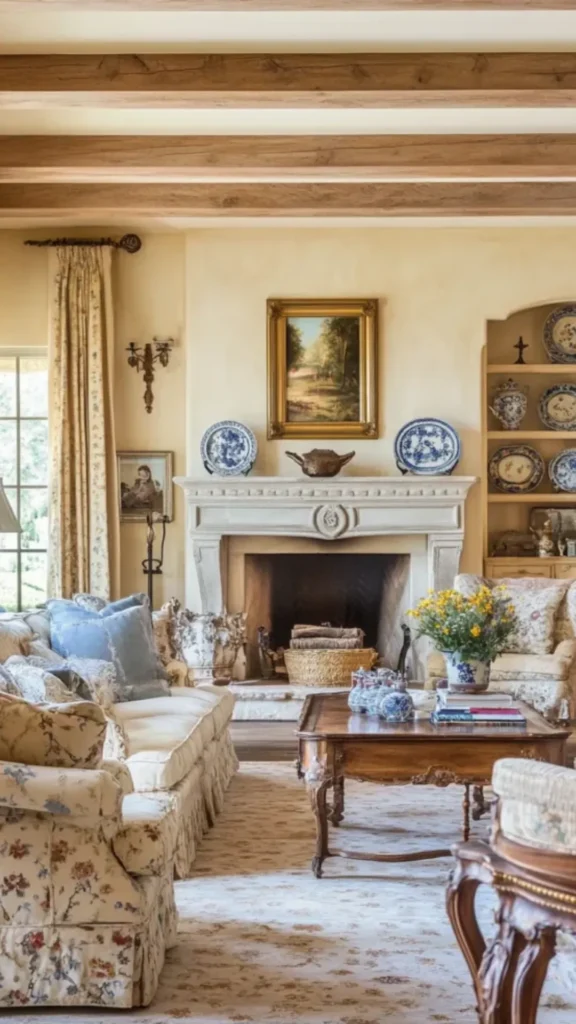
French country and provincial style combines soft blue and cream color palettes with antique wood furniture, toile textiles, and gently distressed painted finishes, creating an interior that feels romantic, timeworn, and genuinely elegant without any sense of formality.
The style rewards a mix of authentic antique pieces alongside newer reproductions, its slightly faded, sun-bleached quality suiting both grand country houses and considerably more modest apartments equally well.
Best for: Those who love soft color, romantic detailing, and antique furniture with visible age and character.
Key pieces: Distressed painted furniture, toile textiles, soft blue and cream palettes, antique mirrors and chandeliers.
Pinterest keywords: Interior Design Styles Explained · French Country Interior Design · Provincial Home Decor
20. Grandmillennial
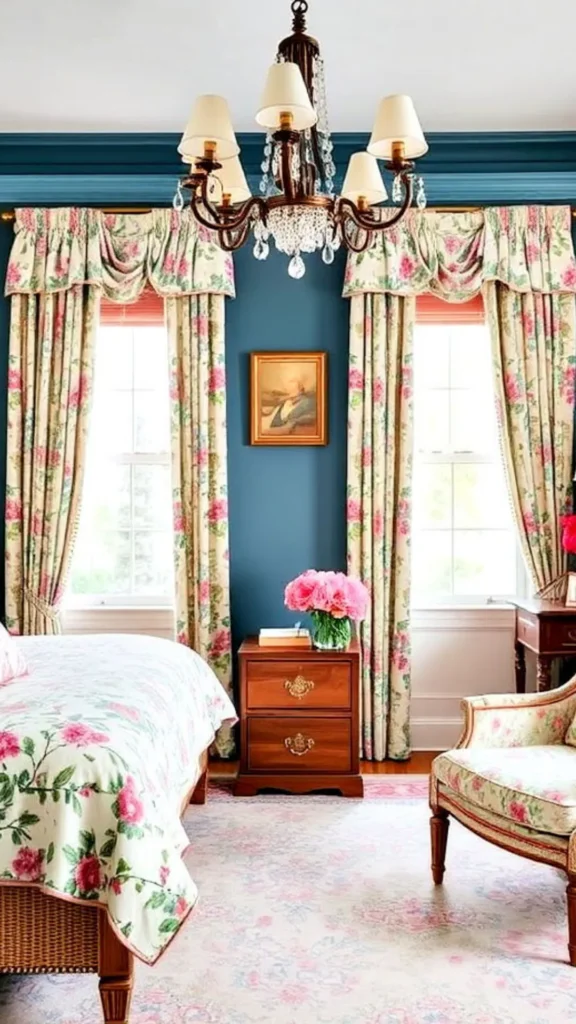
Grandmillennial style takes traditional, often inherited-feeling elements, needlepoint pillows, scalloped edges, chintz fabric, and reinterprets them with a lighter, more playful contemporary sensibility, embraced particularly by younger homeowners drawn to their grandparents’ aesthetic sensibilities.
The style walks a careful line between nostalgia and irony, at its best it feels genuinely warm and collected rather than a costume, achieved by mixing traditional motifs with contemporary color and a distinctly less formal overall arrangement.
Best for: Those who love traditional pattern and detail but want it interpreted through a fresher, more youthful lens.
Key pieces: Scalloped furniture edges, needlepoint cushions, chintz fabric, vintage china displayed casually.
Pinterest keywords: Interior Design Styles Explained · Grandmillennial Interior Design · English Country Interior Design
21. Wabi-Sabi
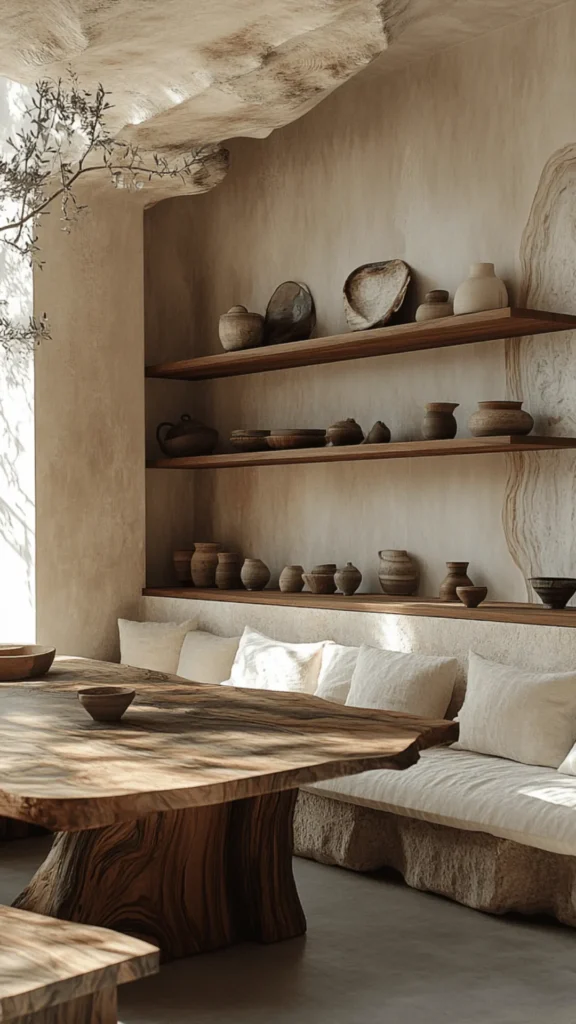
Wabi-sabi is technically a philosophy rather than a decorating style in the conventional sense, though it has become a distinct aesthetic reference point in its own right, one built entirely around the beauty of imperfection, impermanence, and natural aging.
Handmade ceramics with visible glaze irregularities, wood furniture that shows its grain and knots honestly, and a general acceptance of wear and patina as beauty rather than flaw define this deeply influential undercurrent within Japandi and organic modern design alike.
Best for: Those who find genuine beauty in imperfection and want their home to age visibly and gracefully over time.
Key pieces: Handmade ceramics, unfinished or lightly finished natural wood, textiles with visible weave irregularity.
Pinterest keywords: Interior Design Styles Explained · Wabi Sabi Interior Design · Japandi Interior Design
📸 [IMAGE: A postmodern interior with bold unconventional shapes, playful color and unexpected material pairings — Alt text: “interior design styles explained postmodern bold shapes playful color unexpected”]
22. Postmodern
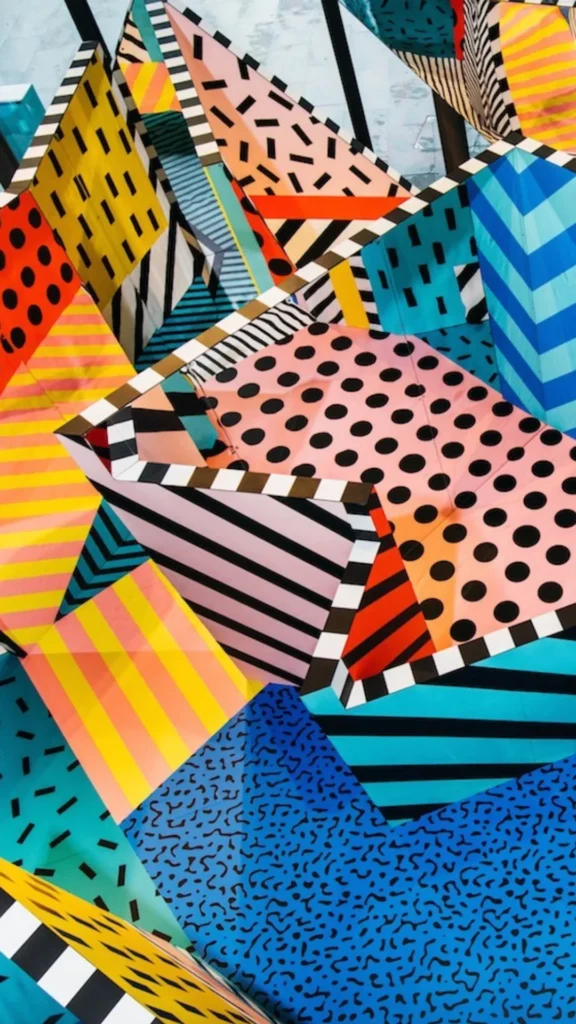
Postmodern design deliberately breaks from established rules, unconventional furniture shapes, playful and sometimes clashing color choices, and unexpected material pairings all celebrated as a rejection of the strict, rational logic found in earlier modernist design movements.
This style suits homeowners with genuine confidence and a sense of humor about their interiors, its intentional unconventionality rewarding bold choices over safe, broadly appealing ones.
Best for: Those who want their home to feel genuinely unconventional, artistic, and unafraid of unexpected combinations.
Key pieces: Sculptural unconventional furniture, bold clashing color, playful geometric forms, unexpected material mixes.
Pinterest keywords: Interior Design Styles Explained · Postmodern Interior Design · Eclectic Maximalist Interior
23. Cottagecore
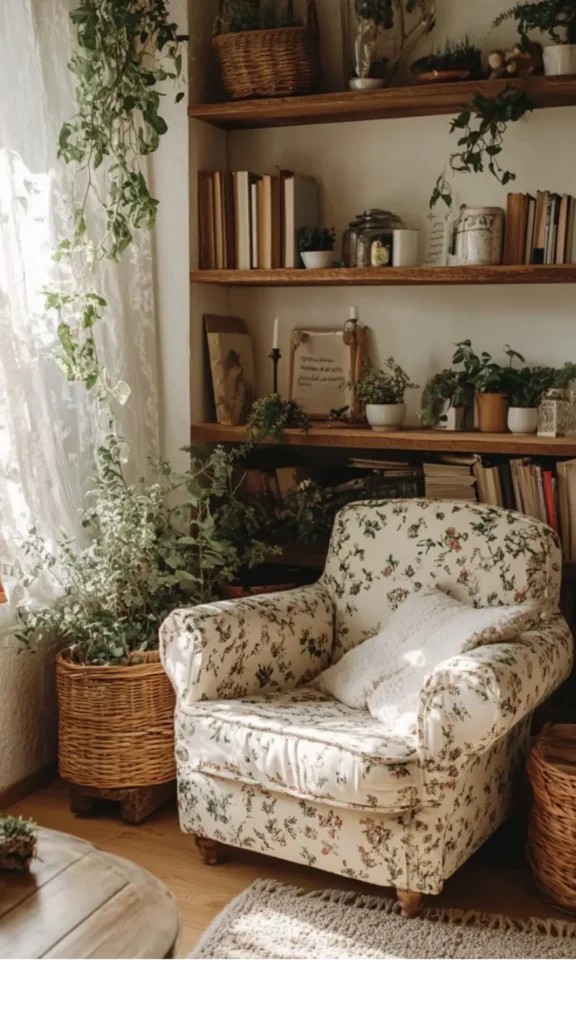
Cottagecore romanticizes a simplified, idealized rural life, pressed botanical prints, vintage embroidered linens, dried flower arrangements, and handmade textiles, all contributing to an interior that feels gentle, nostalgic, and deliberately unhurried.
Closely related to English country and grandmillennial style but generally softer and less formally decorated, cottagecore interiors often incorporate genuinely handmade elements, a quilt someone actually stitched, jars of preserved flowers, rather than purchased reproductions.
Best for: Those drawn to a gentle, nostalgic, handmade aesthetic rooted in simplified rural romance.
Key pieces: Pressed botanical art, embroidered linens, dried flower arrangements, vintage enamelware.
Pinterest keywords: Interior Design Styles Explained · Cottagecore Interior Design · English Country Interior Design
24. Global Eclectic
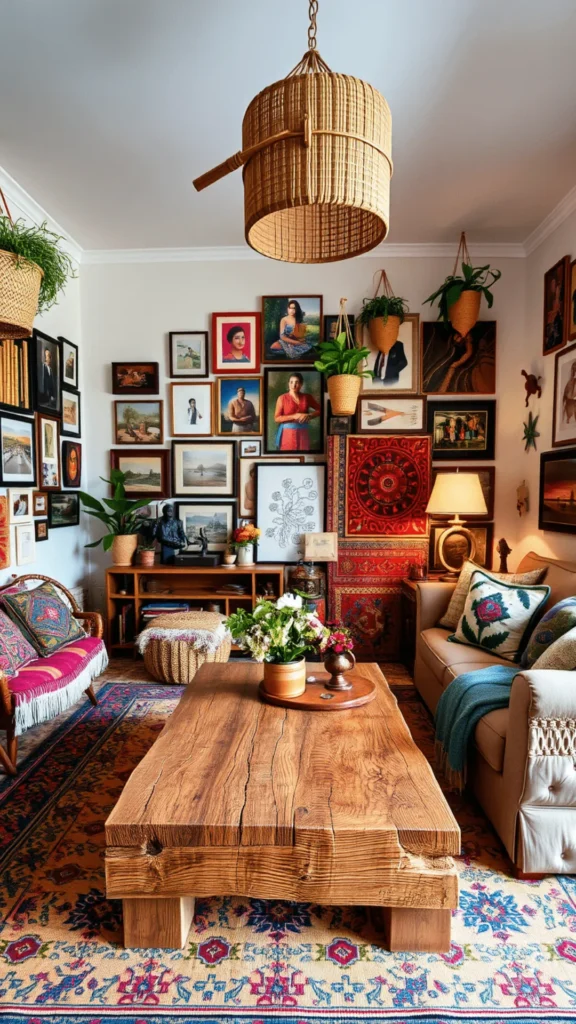
Global eclectic design assembles furniture, textiles, and objects collected from travels and cultures around the world, a Moroccan rug, a Japanese ceramic bowl, a West African textile, unified not by a single aesthetic tradition but by the genuine personal story of how each piece was acquired.
This style shares boho’s love of layering and pattern but carries a more specifically international, well-traveled character, each object functioning as much as a personal memory as a design choice.
Best for: Frequent travelers and collectors who want their home to reflect a genuinely global, well-traveled life.
Key pieces: Textiles and objects sourced directly from different countries and cultures, mixed with intention rather than theme.
Pinterest keywords: Interior Design Styles Explained · Boho Interior Design · Eclectic Maximalist Interior
25. How to Find Your Personal Design Style

The most reliable way to identify your personal interior design style is also the most enjoyable, look at what you’ve already saved. Your Pinterest boards, your Instagram saves, your magazine tearsheets are a precise record of your genuine aesthetic response, unfiltered by what you think you should like or what seems practical.
Step 1 : Audit your saves: Look through everything you’ve saved in the last six months and identify the recurring elements. Not individual objects, but qualities, are they warm or cool? Minimal or abundant? Natural or polished? Colorful or neutral?
Step 2 : Identify the through-line: Most people’s aesthetic saves cluster around one or two of the styles in this guide, often with elements of a third. That cluster is your personal style.
Step 3 : Name it and own it: Once you can name what you’re drawn to, “I’m primarily organic modern with some maximalist tendencies”, every subsequent design decision becomes significantly easier. You have a framework to test new choices against.
Step 4 : Apply it intentionally: Start with the largest decisions, wall color, flooring, primary sofa, and ensure each aligns with your identified style. The smaller decisions will naturally follow.
For the most comprehensive style guides on bouclhome.com, explore our Organic Modern Interior Design and Japandi Style Guide
Final Thoughts
Interior design styles explained are ultimately a vocabulary, a shared language that helps you communicate more clearly with yourself and with others about what you want your home to feel like. Understanding them doesn’t make your home less personal; it makes the choices that create your personal home more confident and more coherent.
Find the style that makes your heart respond. Learn its language. Speak it throughout your home. The result will be a space that feels completely, unmistakably yours. 🌿


