


Few design philosophies have proven as enduring or as globally influential as Scandinavian interior design. Born from the practical necessities of long, dark Nordic winters and a deep cultural respect for craftsmanship, the style has remained relevant for nearly a century, evolving steadily without ever losing its essential character.
In 2026, Scandinavian interior design continues to resonate precisely because it solves a genuinely universal problem: how to create a home that feels calm, functional, and beautiful without excess. Here’s a complete guide to the style and how to bring it into your own space. 🌿
What Defines Scandinavian Interior Design

Scandinavian interior design emerged from the Nordic countries, Denmark, Sweden, Norway, and Finland, in the early to mid 20th century, shaped by a design philosophy that prized function, accessibility, and quiet beauty over ornamentation. According to Dezeen, Scandinavian design principles continue to underpin much of contemporary global furniture and interior thinking, prized for their timelessness and democratic accessibility.
1. Light Wood Tones Throughout

Pale ash, birch, and bleached pine define Scandinavian interior design’s material palette, lighter and cooler in tone than the honey oak favored in organic modern spaces. This light wood maximizes the reflection of precious daylight during long Nordic winters, a practical origin that has become a defining aesthetic signature.
Pinterest keywords: Scandinavian Interior Design · Light Wood Flooring · Nordic Home Design
2. White and Light Neutral Walls

Walls in true white or the lightest neutral tones maximise brightness and create the calm, airy backdrop that Scandinavian interior design is known for. Unlike the warm white favoured by organic modern interiors, Scandinavian white leans cooler and crisper, prioritising luminosity above all else.
Pinterest keywords: Scandinavian Interior Design · White Walls Nordic · Minimalist Furniture
3. Functional, Considered Furniture

Every piece of furniture in genuine Scandinavian interior design serves a clear purpose, with form following function rather than decoration for its own sake. Clean lines, tapered legs, and an absence of unnecessary detail characterise the style, furniture designed to be used daily and to last for decades.
Pinterest keywords: Scandinavian Furniture · Scandinavian Interior Design · Functional Home Design
4. Hygge, Warmth Within Simplicity

Hygge, the Danish concept of cozy contentment, is what prevents Scandinavian interior design from feeling cold despite its restrained palette. Candles, wool throws, and warm ambient lighting introduce comfort and intimacy within the otherwise clean, minimal framework.
Pinterest keywords: Hygge Home Decor · Scandinavian Interior Design · Cozy Nordic Living Room
5. Natural Light Maximized

Large, unobstructed windows and sheer or absent curtains reflect Scandinavian design’s historical relationship with scarce winter daylight. Mirrors are positioned to bounce available light deeper into rooms, and light wall and floor tones amplify whatever natural light does reach the interior.
Pinterest keywords: Natural Light Interior · Scandinavian Interior Design · Nordic Home Light
6. Sheepskin and Wool Textures
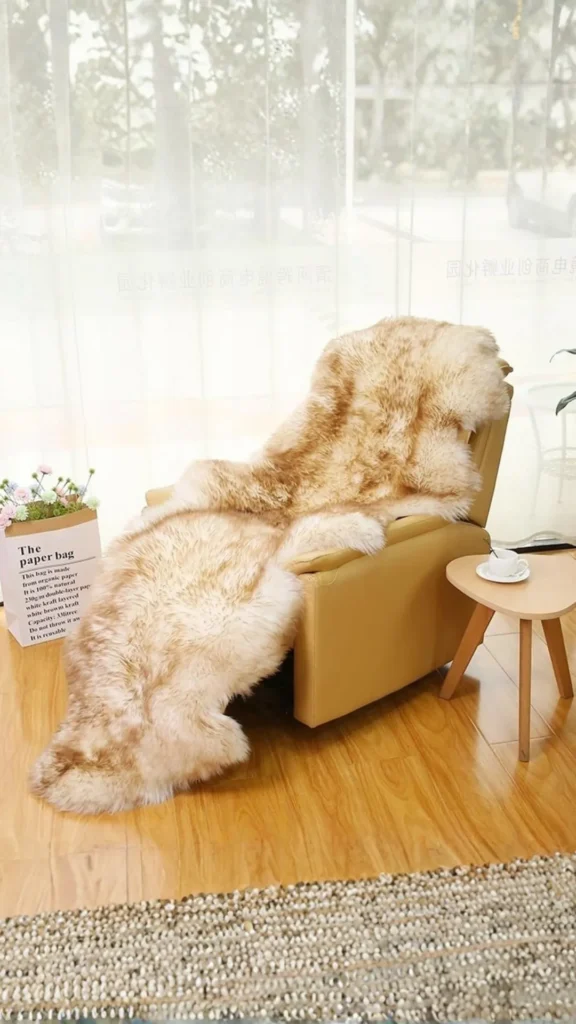
A sheepskin throw over a simple wooden chair, or a chunky wool blanket folded at the foot of a bed, brings tactile warmth into the cooler Scandinavian palette. These natural textures are essential to preventing the style from reading as sterile.
Pinterest keywords: Sheepskin Throw · Scandinavian Interior Design · Wool Textures Home
7. Minimal but Meaningful Decoration
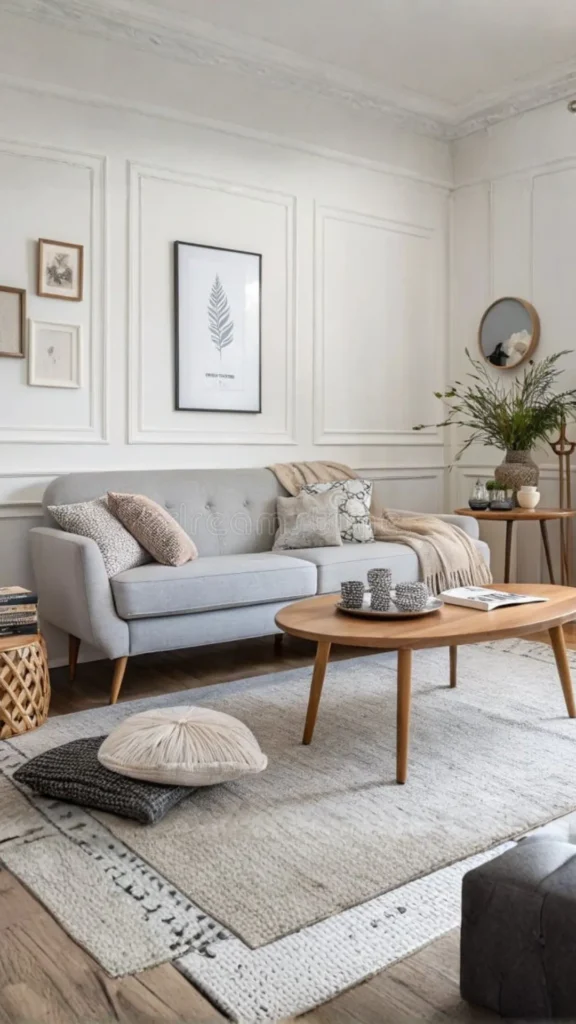
Decoration in Scandinavian interior design is sparse but never absent, a single ceramic vase, a piece of considered art, a candle. Every object present has been deliberately chosen rather than accumulated, reflecting the style’s broader commitment to intentionality.
Pinterest keywords: Scandinavian Decor · Scandinavian Interior Design · Minimalist Decoration
8. Scandinavian vs Japandi, Key Differences

Pure Scandinavian interior design runs cooler and brighter than Japandi, favoring crisp white and pale wood over Japandi’s warmer, earthier palette. Japandi also incorporates more Japanese wabi-sabi philosophy around imperfection, while Scandinavian design leans more toward bright, functional optimism. For a full breakdown, visit our Japandi Style Guide
Pinterest keywords: Scandinavian Vs Japandi · Scandinavian Interior Design · Nordic Design Styles
9. Black Accents for Graphic Contrast
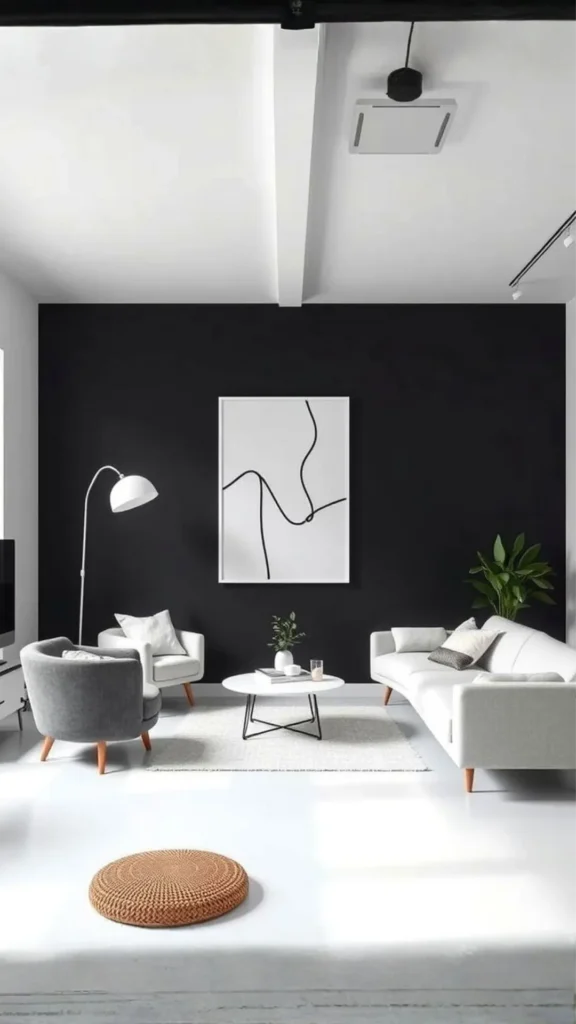
Matte black light fixtures, window frames, or furniture legs provide essential graphic contrast against the light wood and white walls, preventing the palette from feeling flat. Used sparingly, black accents add definition and a contemporary edge.
Pinterest keywords: Black Accents Scandinavian · Scandinavian Interior Design · Nordic Black Accents
10. How to Bring Scandinavian Style Into Your Home
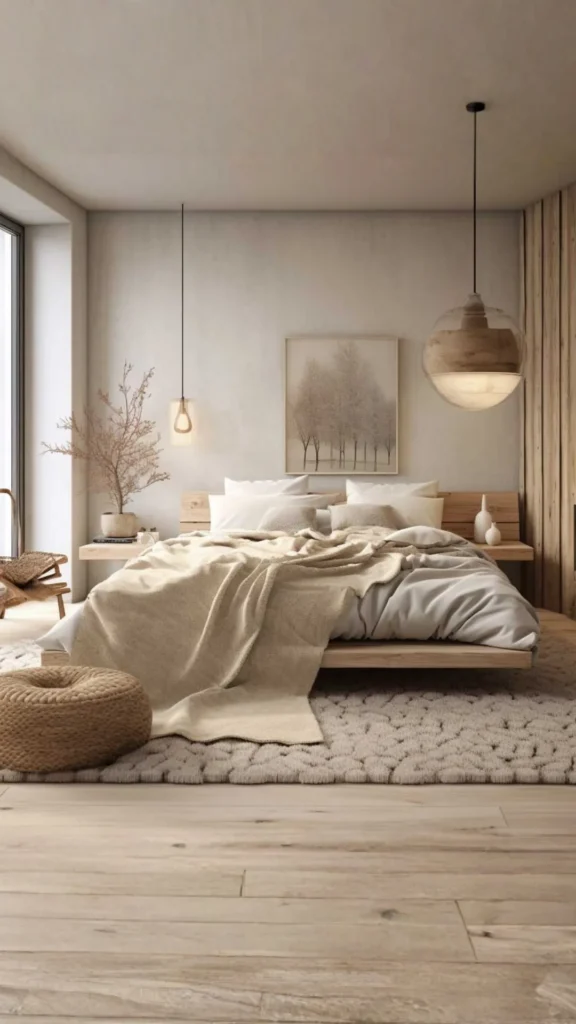
Start by lightening your wall colour and decluttering surfaces down to a few meaningful objects. Add one wool or sheepskin texture for warmth, and introduce a single piece of functional, well-made furniture before adding anything purely decorative.
Final Thoughts
Scandinavian interior design endures because it solves a genuine problem with genuine beauty, function and calm, achieved without excess. Nearly a century on, that solution remains as relevant as ever. 🌿


